2026 FIFA World Cup: A Major Economic Catalyst
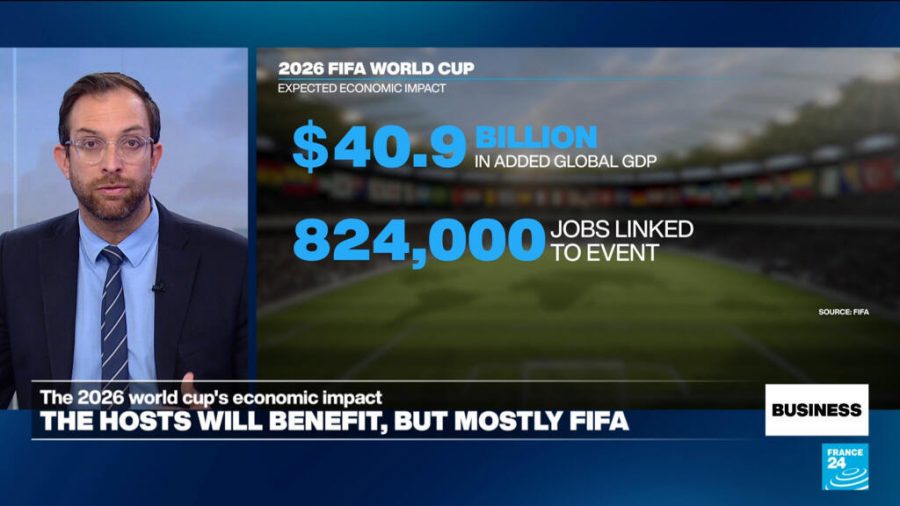
This Thursday marks the commencement of the highly anticipated 2026 FIFA World Cup in Mexico, a tournament poised to significantly impact the global economy. With projections indicating an astonishing $41 billion in economic output, the World Cup serves as a potent reminder of the intertwining of sports and commerce.
Economic Impact on Host Countries
The 2026 World Cup, co-hosted by Mexico, the United States, and Canada, is set to generate substantial economic activity not only in the host nations but across the globe. The influx of tourists, increased spending on hospitality, transportation, and local businesses will all contribute to this tremendous economic boost.
- Tourism Surge: Millions of fans are expected to travel to witness the event, leading to a spike in hotel bookings, restaurant patronage, and local attractions.
- Job Creation: The event will create thousands of short-term jobs in various sectors, from construction to hospitality.
- Infrastructure Development: Significant investments in infrastructure, such as stadium upgrades and transportation improvements, will leave a lasting legacy for the host cities.
FIFA’s Record Revenues
While the host nations stand to gain immensely from the tournament, FIFA is also set to benefit significantly from the event. The football governing body is projecting record revenues of approximately $11 billion. This financial windfall will arise from various sources, including broadcasting rights, sponsorship deals, and ticket sales.
FIFA’s increasing revenues have sparked debates about the distribution of financial benefits from such large-scale events. Critics argue that while FIFA reaps substantial profits, local communities often see only a fraction of the economic impact.
Global Reactions and Other Developments
As the excitement builds for the World Cup, the global markets are responding to various other significant events. Recently, a fresh flare-up of violence in the Strait of Hormuz has caused ripples in oil prices, with investors closely monitoring the situation.
Moreover, as the World Cup approaches, SpaceX is facing legal challenges from an environmental group, raising questions about corporate responsibility and sustainability in the face of technological advancement. This lawsuit comes just days ahead of SpaceX’s blockbuster market debut, casting a shadow over what is expected to be a landmark event in the aerospace industry.
Conclusion
The 2026 FIFA World Cup is more than just a sporting event; it represents a colossal economic powerhouse with the potential to generate nearly $41 billion in output. As the tournament unfolds, all eyes will be on the host nations, FIFA, and the broader implications for global commerce and community well-being. With excitement in the air and the world watching, the true impact of this tournament will continue to unfold long after the final whistle is blown.