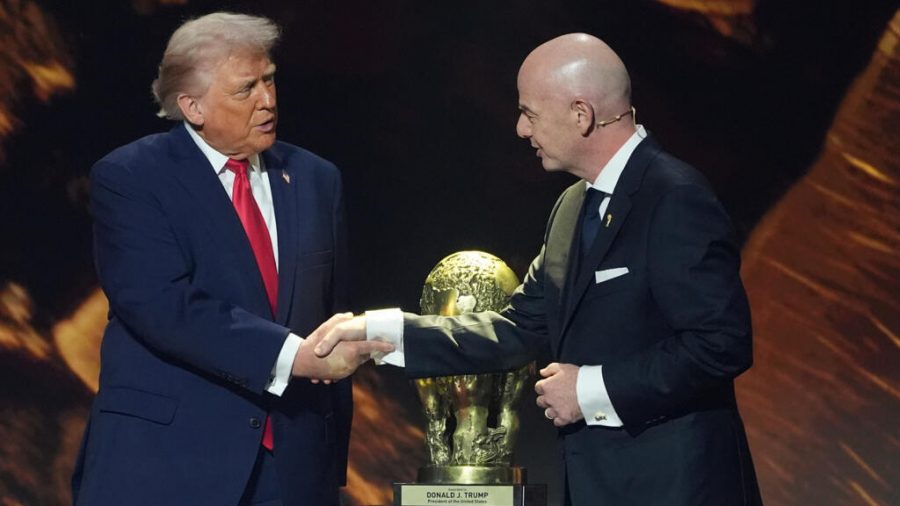
Football and Politics: The Complex Landscape of the 2026 World Cup
The 2026 FIFA World Cup is set to commence on Thursday, bringing together a record 48 teams from around the globe. While the tournament is celebrated as the pinnacle of football, it arrives under a cloud of controversies that intertwine the world of sports with pressing geopolitical issues.
Record Participation Amidst Rising Tensions
This year’s tournament is significant not only for its unprecedented number of participating teams but also for the challenging context in which it takes place. As nations prepare to showcase their talent on one of the world’s largest stages, the shadow of international conflict looms large. With heightened geopolitical tensions, the World Cup is becoming a focal point for discussions beyond the pitch.
Travel Bans and Visa Restrictions
In particular, visa restrictions imposed during the Trump administration have cast a pall over the tournament. Many fans from countries affected by these travel bans face significant hurdles in attending the matches. This has raised questions about inclusivity and accessibility in a tournament that is supposed to unite fans from diverse backgrounds.
The Cost of Watching the Game
Another layer of controversy surrounds ticket prices, which have soared to levels that many fans deem unaffordable. With the average cost for attending matches rising sharply, concerns have been voiced about who can truly participate in this global event. Many supporters are left grappling with the reality that the beautiful game may not be as accessible as it once was.
Geopolitical Implications of the Tournament
The convergence of football and politics is not new, but the 2026 World Cup has highlighted how international events can serve as a microcosm for larger global issues. The tournament is set to take place in various host cities across North America, which adds another layer of complexity, as different regions grapple with their unique political climates and public sentiment.
Voices of Protest and Advocacy
In light of these circumstances, many advocates are using the platform of the World Cup to express their concerns. Protests are expected in various host cities, focusing on the need for more equitable policies that allow fans from all walks of life to participate in and enjoy the tournament. Activists argue that sporting events should transcend political boundaries, fostering unity rather than division.
Football as a Unifying Force
Despite the controversies, there is hope that the World Cup can still serve as a unifying platform. Football has a unique ability to bring people together, and many are optimistic that the spirit of the game will shine through, overshadowing the political tensions that threaten to divide. Stories of triumph, teamwork, and the love of the game will undoubtedly emerge, reminding fans why they cherish football.
Looking Ahead
As the tournament kicks off, all eyes will be on the teams competing for glory. The challenges presented by the current geopolitical landscape will remain, but the resilience of the football community may ultimately prevail. The 2026 World Cup promises to be an event filled with drama, excitement, and unforgettable moments, even as it navigates the complexities of our times.