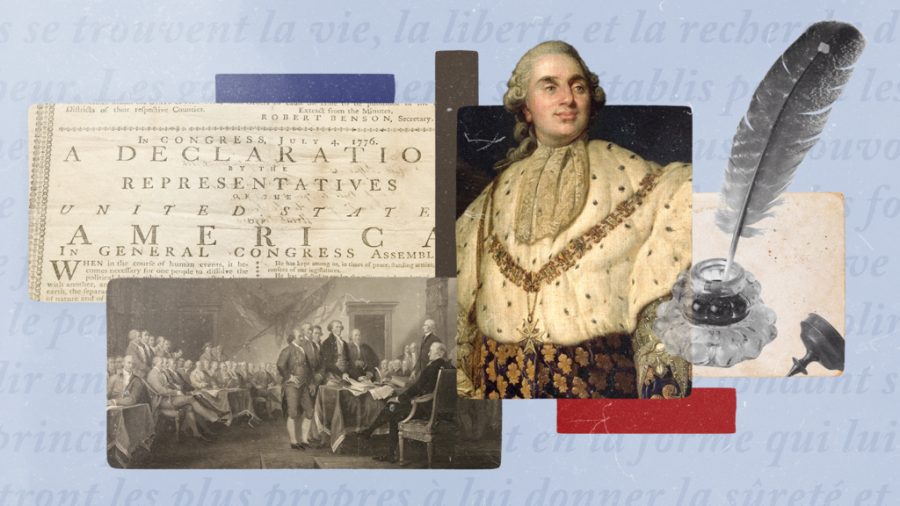
250 Years of US Independence: The French Support Behind the Revolution
The year 2026 will mark the 250th anniversary of the United States’ independence, a pivotal event that reshaped not only American history but also the global landscape. As we reflect on this momentous occasion, it’s essential to acknowledge the significant role France played in the American Revolution, a relationship forged through both colonial rivalry and Enlightenment ideals.
The Prelude to Revolution
French support for the American Revolution began well before the colonies declared their independence on July 4, 1776. The seeds of this alliance were sown during the years of escalating tensions between the British Crown and its American colonies. French leaders, particularly King Louis XVI, recognized the potential of the American rebellion as an opportunity to undermine Britain, their long-standing rival.
A Strategic Move Against Britain
In the 18th century, Britain and France were embroiled in a fierce competition for global dominance, particularly in North America. The loss of the Seven Years’ War (1756-1763) had left France significantly weakened, and the prospect of supporting a rebellion against British rule was seen as a chance for retribution.
King Louis XVI and his advisors understood that aiding the American revolutionaries could help diminish British power and restore France’s standing in the world. This strategic calculus prompted French involvement long before the official declaration of independence.
The Philosophical Underpinnings
Beyond mere political maneuvering, the Enlightenment ideals that were spreading across Europe also played a crucial role in fostering a connection between the French and American revolutionaries. Enlightenment thinkers like Voltaire and Rousseau inspired a wave of revolutionary thought that emphasized liberty, equality, and democracy. These principles resonated with American leaders such as Thomas Jefferson and Benjamin Franklin, who sought to create a nation grounded in these very values.
The French monarchy, despite its autocratic nature, found itself drawn to the revolutionary fervor that was brewing across the Atlantic. The prospect of a government based on Enlightenment principles was intriguing, and the French saw the American struggle as a bold experiment in democracy.
Official Support and Military Assistance
By 1775, France had begun to provide covert support to the American revolutionaries. This assistance included financial aid, supplies, and military training. The French government recognized that the success of the American cause could have profound implications for the balance of power in Europe.
In 1778, France officially entered the conflict, signing treaties with the United States that formalized their alliance. This marked a turning point in the war; French military support, including troops, naval forces, and resources, proved invaluable to the American cause.
- The French navy played a crucial role in blockading British forces.
- French troops fought alongside American soldiers in key battles, including the Siege of Yorktown.
- Financial assistance from France helped sustain the Continental Army throughout the war.
The Legacy of Franco-American Relations
The alliance between France and the United States during the Revolutionary War laid the groundwork for a long-lasting partnership. The success of the American Revolution not only led to the establishment of the United States as an independent nation but also set a precedent for future alliances based on shared democratic ideals.
As we approach the 250th anniversary of American independence, it is essential to remember the complexities of international relations that shaped this historic event. The support of France was not merely a product of altruism but a calculated strategy driven by a desire to reclaim lost power and influence.
Conclusion
The collaboration between the United States and France during the American Revolution serves as a testament to how geopolitical interests, combined with shared philosophical ideals, can forge powerful alliances. As we commemorate this milestone in American history, let us honor the contributions of our “oldest ally” and reflect on the enduring values of freedom and democracy that continue to unite nations.