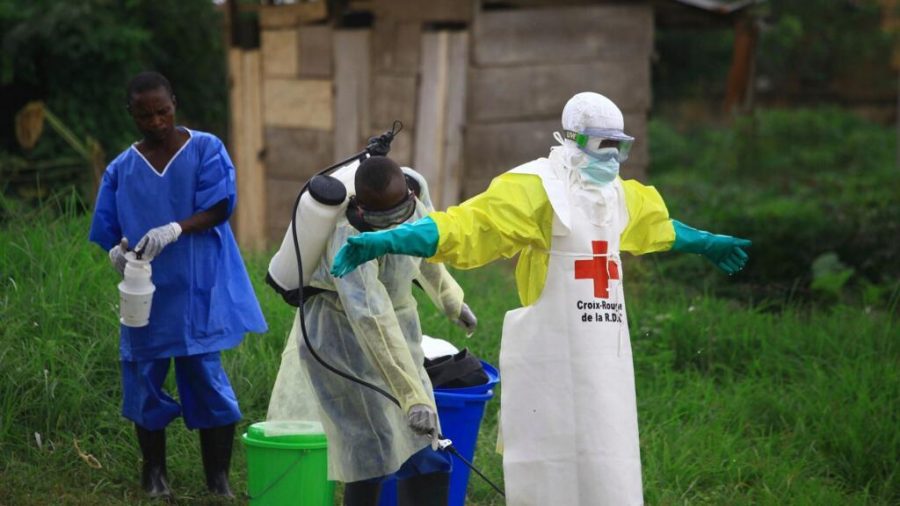
A new outbreak of the highly lethal Bundibugyo strain of the Ebola virus has emerged in the Democratic Republic of Congo (DR Congo), leaving health officials racing against the clock to contain its spread. As of Saturday, the Ministry of Health has reported at least 246 suspected cases and 80 confirmed deaths, sparking urgent concerns over the lack of a viable vaccine for this particular strain.
A Crisis Without a Vaccine
Speaking at a press briefing in Kinshasa, health minister Samuel-Roger Kamba stated that the country is facing significant challenges in combating the outbreak. “The Bundibugyo strain is particularly dangerous and, unfortunately, there is no approved vaccine available to fight it,” Kamba said. This strain, which was first identified in Uganda in 2007, has a high fatality rate and is known for its rapid spread in communities with limited access to healthcare resources.
Death Toll Rises Amidst Growing Concerns
The death toll, which has climbed to 80, underscores the urgency of the situation. Health authorities are working tirelessly to trace contacts, isolate patients, and provide supportive care, but the lack of a vaccine has added a layer of complexity to their efforts. Officials have also highlighted the challenges of managing such outbreaks in remote areas, where access to medical facilities is often limited and misinformation can hinder containment measures.
What Is Being Done?
To mitigate the spread, the DR Congo government has ramped up its public health response with the support of international organizations. This includes deploying rapid response teams to affected regions, setting up isolation units, and conducting public awareness campaigns to educate communities about preventive measures.
However, experts warn that without a vaccine, the effectiveness of these measures might be limited. “The lack of a vaccine for the Bundibugyo strain is a major setback,” said Dr. Michele Laurent, an infectious disease specialist. “We need global collaboration to accelerate research and development for vaccines targeting all Ebola strains, not just the more common ones like Zaire.”
A Call for Global Attention
The outbreak has reignited discussions about global preparedness for emerging infectious diseases. Health experts are calling for increased funding, research, and international cooperation to address the gaps in combating rare but deadly pathogens like Bundibugyo. While the world has made significant strides in developing vaccines for other strains of Ebola, the emergence of this highly lethal variant highlights the need for a more comprehensive approach.
As the death toll continues to rise, the DR Congo faces a dual challenge: curbing the current outbreak while advocating for long-term solutions to prevent future crises. “This is not just a problem for Congo; it’s a global issue that requires a global response,” Kamba emphasized.
The situation remains critical, with health officials urging the global community to step up support. The coming weeks will be crucial in determining whether the outbreak can be contained or if the world will face yet another devastating public health emergency.