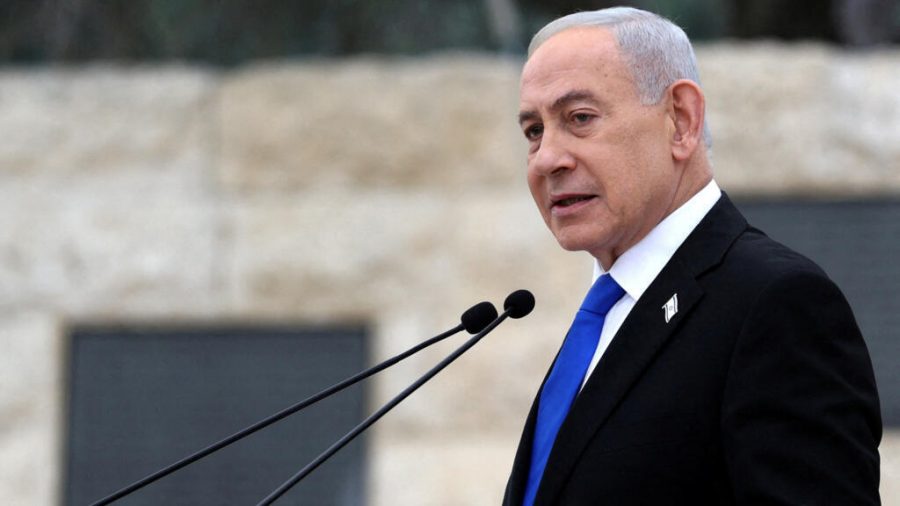
Prime Minister Benjamin Netanyahu announced on Sunday that Israel is nearing a significant milestone in its military campaign in Gaza: the elimination of the masterminds behind the October 7 attacks. This declaration follows the reported killing of senior Hamas commander Ezzedine Al-Haddad in a targeted airstrike, a key figure in the militant group’s hierarchy.
Targeting the Hamas Leadership
In his remarks, Netanyahu emphasized that Israel’s primary objective remains dismantling Hamas’ operational structure. He stated, “We are systematically targeting those who orchestrated the horrific attacks on October 7, and most of them have now been eliminated.” The prime minister also reiterated Israel’s commitment to ensuring national security and preventing future threats emanating from Gaza.
The Israeli Defense Forces (IDF) have ramped up their operations in recent weeks, focusing on high-ranking Hamas leaders and infrastructure. According to military sources, Al-Haddad was a pivotal figure in the group’s planning and logistics, making his death a critical blow to Hamas’ capabilities.
Escalation of the Conflict
The October 7 attacks, which left over 1,400 Israelis dead and scores injured, marked one of the deadliest days in the country’s history. Hamas took responsibility for the coordinated assault, which included rocket barrages and ground incursions into Israeli territory. In response, Israel launched a large-scale military campaign in Gaza, aimed at neutralizing the group’s leadership and military capabilities.
Since then, the conflict has escalated, with both sides exchanging heavy fire. The humanitarian situation in Gaza has also deteriorated, leading to widespread international concern. However, Netanyahu has defended the military actions, asserting that they are necessary to ensure long-term peace and security for Israel.
International Reactions
Israel’s campaign in Gaza has drawn mixed reactions from the international community. While many nations have condemned the October 7 attacks and affirmed Israel’s right to self-defense, there have been growing calls for restraint and a focus on protecting civilian lives in Gaza. Human rights organizations have warned of a looming humanitarian crisis, urging both sides to prioritize de-escalation.
In his statement, Netanyahu addressed these criticisms, saying, “We are conducting our operations with the utmost care to minimize civilian casualties, but we cannot allow the architects of terror to escape accountability.” He also called on the global community to understand the necessity of Israel’s actions in the face of ongoing threats.
Moving Forward
As the conflict continues, questions remain about the long-term implications for the region. Analysts suggest that the elimination of key Hamas leaders may disrupt the group’s operations in the short term but warn of potential reprisals and further instability. The Israeli government, however, appears resolute in its strategy, framing the campaign as a critical step toward ensuring national security.
Meanwhile, the humanitarian toll in Gaza continues to rise, with thousands of civilians displaced and vital infrastructure damaged. International aid organizations have called for immediate measures to address the crisis, including the establishment of safe corridors for humanitarian assistance.
With the conflict showing no signs of abating, Netanyahu’s recent comments underscore the Israeli government’s determination to achieve its military objectives, even as global scrutiny intensifies. The coming weeks will likely prove pivotal in shaping the future trajectory of this deeply entrenched conflict.