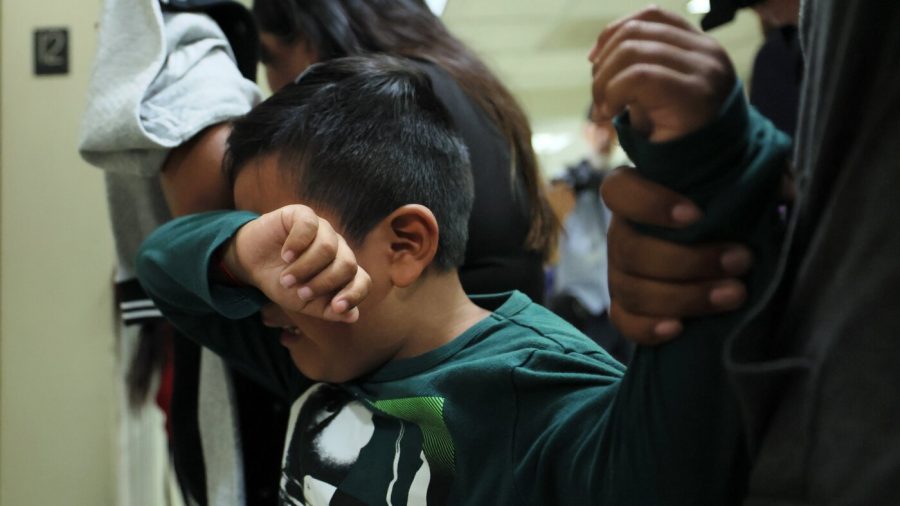
As immigration policies tighten, the ripple effects on mental health have become increasingly evident. Zocalo Health, a primary care organization dedicated to serving Latino communities, has been documenting the profound impact of Immigration and Customs Enforcement (ICE) actions on its patients’ emotional well-being. Through routine screenings for depression, anxiety, and suicidal thoughts, the clinic has observed a sharp uptick in mental health struggles since the onset of stricter immigration enforcement policies.
The Growing Mental Health Crisis
Located in predominantly immigrant neighborhoods, Zocalo Health has become a lifeline for marginalized populations grappling with fear and uncertainty. According to the clinic’s data, the number of patients reporting severe anxiety and depressive symptoms increased significantly following heightened immigration raids and deportation efforts. These measures, initiated under the Trump administration, have left families and individuals fearing for their safety and future.
Screening for Hidden Struggles
Zocalo Health employs a comprehensive approach to care, screening every patient for mental health conditions such as depression, anxiety, and suicidal ideation. These screenings have revealed troubling trends. “We’re seeing people who were previously stable now experiencing debilitating anxiety,” said Dr. Maria Sanchez, a lead physician at the clinic. “The constant stress of potential family separation has pushed many to a breaking point.”
For many undocumented immigrants, fear of deportation isn’t just a distant possibility—it’s a daily reality. This chronic stress can lead to physical symptoms like headaches and fatigue, exacerbating the mental toll. “It’s not just the individual who suffers,” Sanchez added. “Entire families are affected, especially children who internalize their parents’ anxiety.”
Profiles in Resilience
One patient, who asked to remain anonymous, shared her story of living under constant fear. “Every time I leave my house, I wonder if I’ll come back,” she said. This relentless anxiety has led to sleepless nights and a growing sense of isolation. Despite these challenges, she continues to seek solace in her community and the care provided by Zocalo Health.
For others, the fear of interacting with any kind of authority—whether it be medical professionals or law enforcement—has prevented them from seeking care altogether. Zocalo Health staff work tirelessly to build trust and reassure patients that their information will remain confidential. “We have to be more than just healthcare providers; we have to be advocates and allies,” Sanchez emphasized.
The Role of Policy in Mental Health
Experts argue that the mental health crisis among immigrant communities is not just a healthcare issue but a policy issue. “When people live in an environment of fear and uncertainty, it takes a toll on their mental health,” said Dr. James O’Connor, a public health expert. “We need policies that prioritize human dignity and mental well-being.”
- Families face the fear of separation daily.
- Children are particularly vulnerable to mental health challenges.
- Community-based clinics like Zocalo Health are critical lifelines.
Zocalo Health has called on policymakers to consider the human cost of aggressive immigration enforcement. In the meantime, the clinic continues to provide not just medical care but also emotional support, helping patients navigate the challenges of living in a climate of fear.
Looking Ahead
As debates over immigration policies continue, organizations like Zocalo Health remind us of the human faces behind the headlines. Their work underscores the importance of addressing not just the physical but also the emotional health of those affected. “We can’t change the policies,” said Sanchez, “but we can change how people cope with them.”
For now, the clinic remains a beacon of hope in a challenging time, proving that compassion and care can make a world of difference—even in the face of fear.