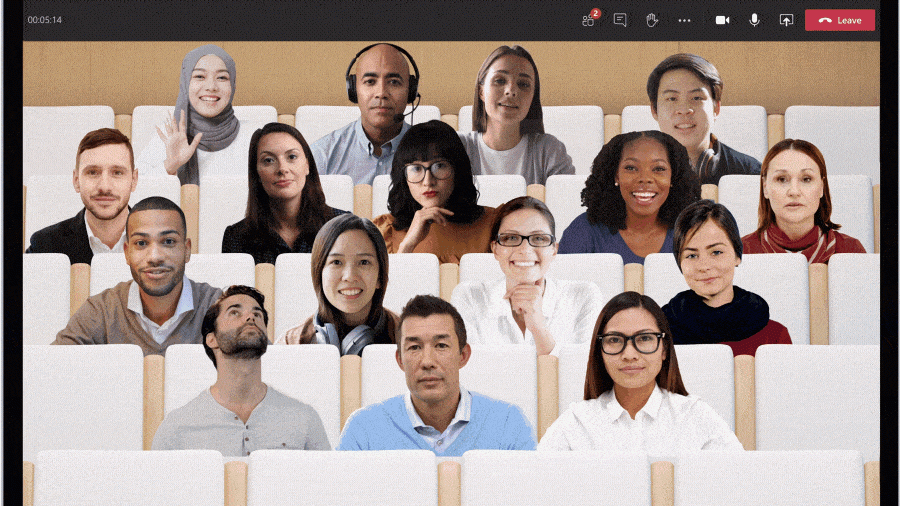
Microsoft has announced the gradual retirement of Teams’ Together Mode, a feature that captured attention during the pandemic by offering virtual meeting participants the illusion of sitting together in a shared space. Originally designed to address the isolation of remote work, Together Mode used artificial intelligence (AI) to cut out participants’ heads and shoulders and place them in a virtual conference room. While innovative, the feature was often seen as a gimmick, and now, Microsoft is opting for a more streamlined Teams experience.
The Rise and Fall of Together Mode
Introduced in 2020, Together Mode was part of Microsoft’s response to the sudden shift to remote work. The feature aimed to enhance engagement and reduce the fatigue associated with staring at a grid of faces. By creating a shared virtual environment, it allowed participants to interact as if they were physically in the same room. From virtual high-fives to tapping co-workers on the shoulder, Together Mode offered a playful twist to video conferencing.
However, as hybrid work environments gained traction and the novelty wore off, Together Mode’s appeal began to wane. While it succeeded in reducing visual distractions, many users found the feature more entertaining than practical for daily meetings. The introduction of more advanced collaboration tools and simplified layouts has made the feature less relevant in today’s professional landscape.
Why Microsoft Is Making the Change
Microsoft’s decision to retire Together Mode aligns with its broader goal of simplifying the Teams platform. The company aims to streamline user experiences and prioritize features that enhance productivity. By phasing out Together Mode, Microsoft is focusing on tools that better meet the needs of hybrid and remote workforces.
“We are committed to evolving Teams to better serve our users in a rapidly changing work environment,” a Microsoft spokesperson said. “Simplifying the platform ensures that employees can focus on meaningful collaboration without unnecessary distractions.”
What Comes Next for Teams Users
The transition away from Together Mode will be implemented gradually, giving users time to adjust. Microsoft has hinted at introducing new features that leverage AI for productivity rather than novelty. These updates are expected to make Teams more intuitive and adaptable to diverse work settings.
- Enhanced AI Tools: Microsoft plans to introduce smarter AI features that focus on meeting optimization and task automation.
- Simplified Layouts: Users can expect cleaner interfaces designed to minimize clutter and improve accessibility.
- Focus on Hybrid Work: Upcoming updates will cater to employees navigating hybrid work environments, ensuring seamless collaboration across remote and in-office teams.
While Together Mode may be remembered fondly by some, its retirement marks a step forward in creating a more efficient and purpose-driven Teams experience. As Microsoft continues to adapt to the evolving needs of the modern workforce, users can look forward to innovations that prioritize functionality over novelty.
Conclusion
The retirement of Teams’ Together Mode signals a shift in how tech giants like Microsoft approach collaboration tools in a post-pandemic world. By focusing on streamlined features and enhanced productivity, the company is positioning itself to better serve the demands of hybrid work. While Together Mode may fade into nostalgia, its legacy highlights the tech industry’s ability to adapt to unprecedented challenges—and the importance of evolving alongside user needs.