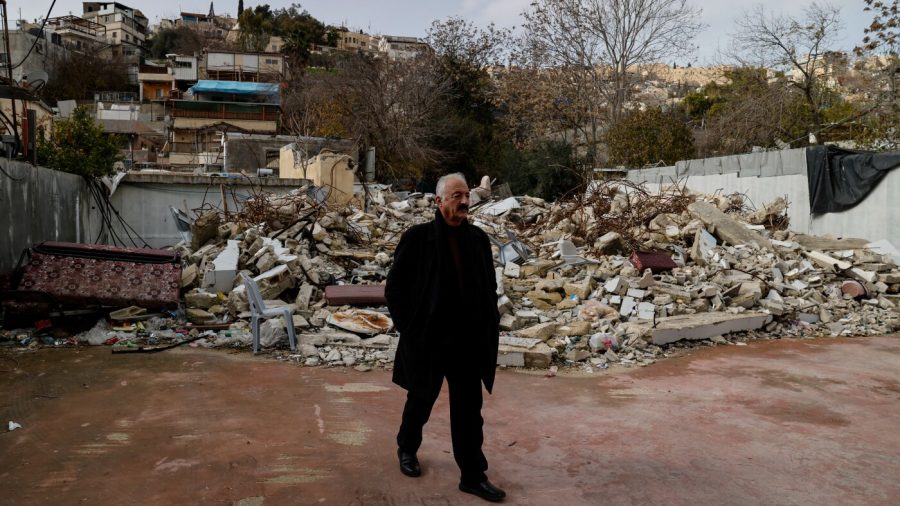
Human rights groups and U.N. experts have raised alarms over Israel’s alleged efforts to forcefully displace an entire Palestinian neighborhood in East Jerusalem. Activists accuse Israeli authorities of aggressively issuing demolition orders for Palestinian homes at an accelerated pace, particularly since the onset of Israel’s recent conflict with Iran.
Escalating Tensions in East Jerusalem
East Jerusalem, a region long fraught with disputes over sovereignty and land ownership, is once again at the center of global attention. Palestinian families in the area now face heightened uncertainty as reports emerge of a systematic campaign to displace residents.
According to activists, the demolition orders are part of a broader strategy to alter the demographic composition of East Jerusalem, a claim Israel denies. Critics argue that these actions are designed to erode Palestinian claims to the area, further complicating prospects for a two-state solution.
Human Rights Groups Sound the Alarm
Human rights organizations, including prominent NGOs and U.N. experts, have condemned the increased issuance of demolition orders. They warn that such actions could amount to a violation of international law, particularly the Fourth Geneva Convention, which prohibits forcible transfer of populations in occupied territories.
“This is not just a local matter; it’s a global concern,” said a spokesperson for a leading human rights group. “The world must take a stand against these actions, which risk erasing centuries of Palestinian presence in East Jerusalem.”
Residents Face an Uncertain Future
For many Palestinian families, the threat of displacement is deeply personal. Residents report receiving sudden notices to vacate their homes, often without viable alternatives or compensation. Demolitions frequently occur under the pretext of lacking proper permits—a requirement that residents claim is nearly impossible to meet due to systemic discrimination.
“We’ve lived here for generations,” said one resident facing eviction. “Now, we’re being told to leave without any regard for our history or our future.”
International Response and Calls for Action
The international community has begun to take notice, with several governments and organizations issuing statements of concern. However, activists argue that words alone are insufficient to halt the ongoing evictions and demolitions.
- U.N. Experts: Several U.N. special rapporteurs have called for an immediate halt to the demolitions, labeling them a potential war crime.
- Global Protests: Demonstrations have erupted in cities worldwide, demanding accountability and an end to forced evictions.
- Calls for Sanctions: Some human rights advocates have urged governments to impose targeted sanctions on Israeli officials involved in the demolitions.
Despite these efforts, the demolitions continue, leaving many to question whether international pressure will be enough to change the situation on the ground.
The Broader Implications
The alleged campaign to displace Palestinians in East Jerusalem reflects broader tensions in the Israeli-Palestinian conflict. As the region grapples with the ripple effects of Israel’s war with Iran, the future of East Jerusalem remains uncertain. Activists warn that if these evictions proceed unchecked, they could ignite further unrest and undermine any remaining hope for peace in the region.
For now, Palestinian families in East Jerusalem continue to live under the shadow of uncertainty, their lives and livelihoods hanging in the balance. The coming weeks and months may prove pivotal in determining whether their voices are heard, or if their homes become another casualty of a decades-long conflict.