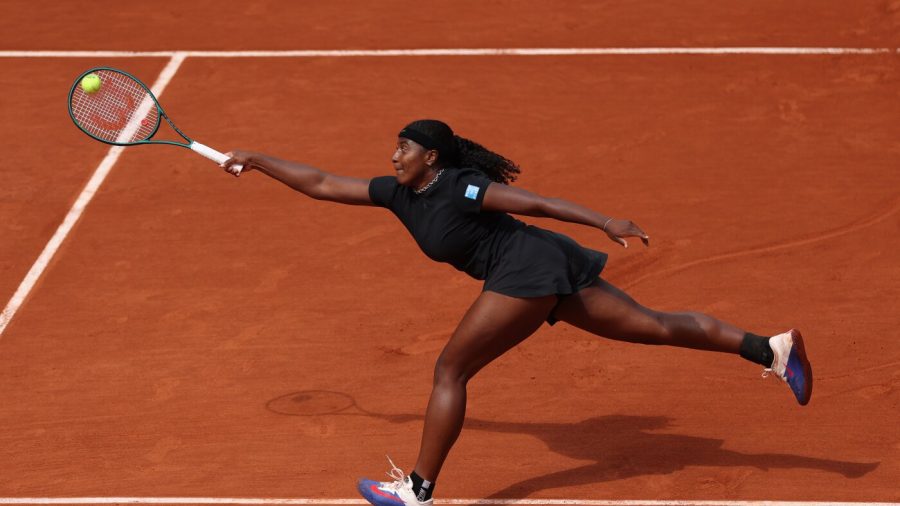
Clay courts, the hallmark of the French Open, present a unique challenge for tennis players worldwide. Unlike hard or grass surfaces, clay demands exceptional adaptability, strategy, and endurance, making it both revered and feared in the tennis community. Professional players, however, have honed specific techniques to thrive on this tricky terrain.
Why Clay is Considered Tough
Clay courts slow down the ball and produce a higher bounce compared to other surfaces. This forces longer rallies and tests a player’s stamina and mental fortitude. Additionally, the loose surface can make footing unpredictable, requiring players to master sliding techniques to remain balanced and agile.
Insights from the Pros
Several professional tennis players have shared their secrets to success on clay courts. Their advice not only highlights the technical adjustments necessary for clay but also emphasizes the importance of mindset and preparation.
- Improved Footwork: Navigating the clay requires mastering controlled slides. This technique allows players to reach wide shots efficiently while maintaining balance.
- Patience is Key: The slower surface encourages longer rallies, so players must develop a patient approach, waiting for the perfect opportunity to strike.
- Topspin Advantage: Shots with heavy topspin excel on clay, as they bounce higher and disrupt the opponent’s rhythm.
- Physical Conditioning: Endurance is paramount on clay, where matches can stretch into grueling marathons.
- Adaptable Strategies: Players often adjust their game plans mid-match, exploiting their opponent’s weaknesses and adapting to changing court conditions.
The Mental Game
Success on a clay court is as much about mental toughness as it is about athletic prowess. Many players emphasize the importance of staying focused and resilient, especially during long rallies and matches. Maintaining composure and a positive mindset can be the difference between victory and defeat.
Training for Clay Court Mastery
To prepare for tournaments like the French Open, players dedicate significant time to practicing on clay surfaces. This helps them adapt to the slower pace and fine-tune their movement. Coaches often design drills that simulate match conditions, focusing on stamina, precision, and quick decision-making.
Conclusion
The clay courts of the French Open are a true test of a player’s skill, endurance, and mental strength. By embracing the unique challenges of this surface and employing techniques honed through rigorous training, tennis pros showcase their adaptability and determination. For fans, witnessing these incredible displays of athleticism and strategy on clay is part of what makes the French Open an unmissable event.