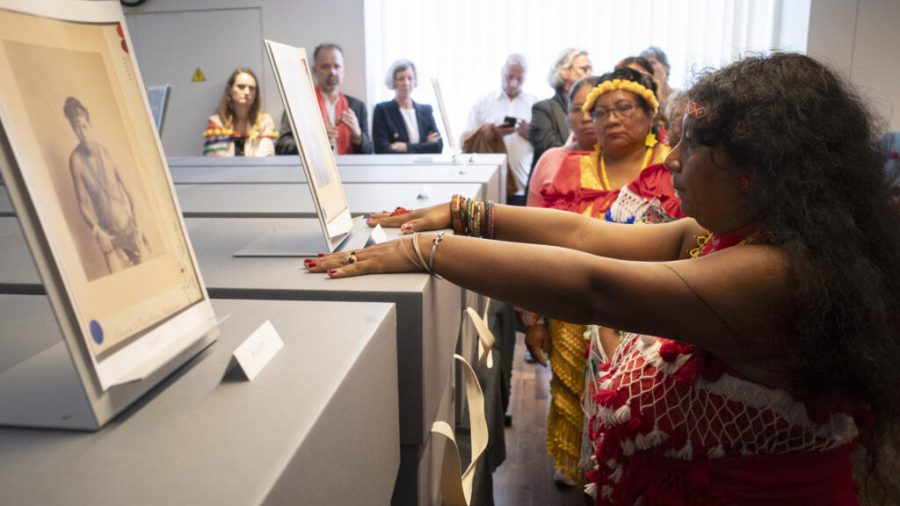
In a landmark decision that addresses a painful legacy of colonialism, French senators have unanimously passed a bill enabling the repatriation of Indigenous remains displayed in colonial-era “human zoos.” The legislation paves the way for the remains to be returned to their ancestral lands in French Guiana, a French overseas territory located on the northeast coast of South America.
Acknowledging the Past
The decision marks a significant step in acknowledging France’s colonial history and its impact on Indigenous communities. During the late 19th and early 20th centuries, people from various colonized territories were forcibly brought to Europe and showcased in exhibitions that sought to portray them as “exotic curiosities.” These so-called “human zoos” were a stark demonstration of the exploitation and dehumanization inherent in colonial rule.
For decades, Indigenous communities in French overseas territories have called for the return of the remains of their ancestors, which had been held in museums and other institutions in France. These ancestral remains are a poignant reminder of the injustices faced by Indigenous peoples during the colonial era.
The Bill’s Provisions
The newly passed bill outlines the process for repatriation, emphasizing respect for the wishes of the affected communities. French Guiana, which is home to several Indigenous groups, will be among the first territories to benefit from this legislative move. The remains will be handled with dignity, ensuring that they are returned to their rightful resting places in accordance with cultural and spiritual practices.
- Unanimous Support: The bill received overwhelming support in the French Senate, reflecting broad consensus on the need to rectify historical wrongs.
- Indigenous Advocacy: Indigenous leaders in French Guiana have long advocated for this measure, viewing it as a vital step toward healing and reconciliation.
- Global Implications: The move could inspire other nations to address similar colonial legacies and repatriate remains held in their institutions.
A Step Toward Justice
The repatriation effort is seen not only as an act of justice but also as a way to foster greater understanding and respect between France and its overseas territories. By returning these remains, the French government acknowledges the humanity and dignity of those who suffered under colonial exploitation.
Historians and human rights advocates have praised the bill as a meaningful gesture, though many argue that much more work remains to be done to fully address France’s colonial past. The legislation may open the door to broader discussions about reparations, historical accountability, and the preservation of Indigenous cultures.
Looking Ahead
As France prepares to implement the bill, the focus will shift toward ensuring that the repatriation process is carried out with sensitivity and respect. For Indigenous communities, this moment represents a long-overdue recognition of their heritage and the injustices they endured.
While the repatriation of ancestral remains cannot undo the harm caused by colonialism, it is a powerful symbol of reconciliation and a step toward building a more equitable future. The French government’s decision signals its willingness to confront uncomfortable truths and work toward repairing relationships with its overseas territories.