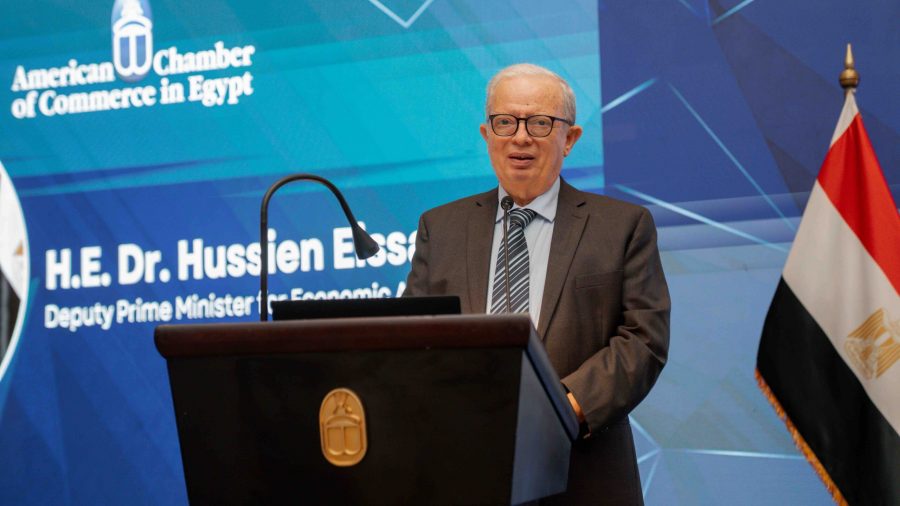
In a significant move aimed at economic reform, Egypt is set to transition from in-kind subsidies to a cash subsidy system by the end of 2026, according to Deputy Prime Minister for Economic Affairs Hussein Eissa. This announcement was made during the annual meeting of the American Chamber of Commerce in Cairo, where Eissa also confirmed that the government will freeze fuel price hikes until the same deadline.
Major Shift in Subsidy Policy
The decision to switch to cash subsidies marks a pivotal shift in Egypt’s long-standing approach to social welfare. Historically, the government has provided in-kind subsidies, including food and fuel, to support low-income households. However, this system has been criticized for inefficiency and for disproportionately benefiting higher-income groups. The new cash subsidy system is designed to ensure that financial assistance directly reaches those who need it most, enhancing transparency and reducing wastage.
Why the Change?
Eissa emphasized that the cash subsidy system is part of a broader strategy to streamline public spending and make economic reforms more sustainable. “By moving to cash subsidies, we aim to empower citizens to make choices that best suit their needs while ensuring that government resources are utilized effectively,” Eissa stated during his address.
This policy reform aligns with Egypt’s ongoing efforts to meet the requirements of international financial institutions, which have consistently advocated for subsidy reforms as a means to reduce fiscal deficits and promote economic growth.
Fuel Price Freeze Until 2026
In addition to the subsidy overhaul, Eissa announced that fuel prices will remain unchanged until the end of 2026. This decision comes amidst global economic uncertainties and fluctuating energy markets. The freeze aims to provide stability and predictability for both consumers and businesses, alleviating some of the financial pressures faced by Egyptian households.
“We understand the challenges faced by our citizens, especially in light of global inflationary pressures. This measure is intended to provide relief and support economic stability,” Eissa explained.
Balancing Reform and Public Welfare
While the transition to cash subsidies and the fuel price freeze are seen as positive steps, they are part of a broader and complex economic reform agenda that has been in place since Egypt secured a $12 billion loan from the International Monetary Fund (IMF) in 2016. The reforms have included currency devaluation, subsidy cuts, and tax overhauls, all aimed at stabilizing the economy and attracting foreign investment.
However, these measures have also faced criticism for their impact on the cost of living, particularly for Egypt’s most vulnerable populations. The government’s commitment to freezing fuel prices and ensuring direct cash support highlights a balancing act between fiscal responsibility and safeguarding public welfare.
Looking Ahead
As Egypt moves forward with these reforms, the success of the cash subsidy system will depend on its implementation and the accuracy of targeting mechanisms. Ensuring that the subsidies reach those who genuinely need them will be critical in achieving the desired economic and social outcomes.
The government has yet to provide detailed timelines or mechanisms for the rollout, but the announcement has already sparked discussions among policymakers, businesses, and citizens about the potential impacts of these changes.
With the 2026 deadline set, the coming years will be crucial for Egypt as it navigates the challenges of economic reform while striving to maintain social stability and public trust.