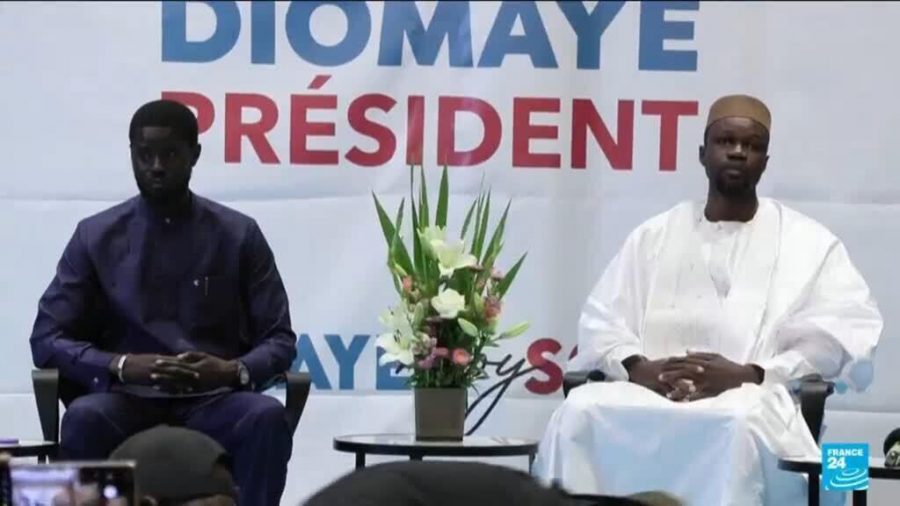
In a dramatic political shake-up, Senegal’s President Bassirou Diomaye Faye has dismissed Prime Minister Ousmane Sonko, bringing an end to years of mounting friction between the two leaders. The announcement, made late Tuesday, has sent ripples through the country’s political landscape as Senegal braces for potential ramifications of the decision.
Years of Strained Relations Come to a Head
The dismissal of Ousmane Sonko marks the culmination of a prolonged period of discord between the president and his now-former prime minister. While the exact reasons for the firing remain undisclosed, analysts point to a series of policy disagreements and public tensions that have increasingly defined their working relationship. Sonko, a polarizing figure in Senegalese politics, has often clashed with Faye over key issues ranging from economic reforms to governance strategies.
According to insiders, the tipping point may have been a recent disagreement over the implementation of a controversial economic policy. While Faye sought a cautious approach aimed at fostering international investment, Sonko reportedly pushed for rapid reforms that he claimed would directly benefit Senegal’s rural population. The growing public perception of division within the administration further eroded trust between the two leaders.
Immediate Impact on Senegal’s Political Scene
The removal of Sonko is expected to have far-reaching consequences for Senegal’s political and social climate. As a prominent leader with a substantial following, Sonko has been a vocal critic of several government policies. His dismissal could galvanize his supporters, potentially leading to protests or a realignment of political alliances ahead of the next election cycle.
Meanwhile, the president’s office has sought to portray the decision as a necessary step to ensure effective governance. In a brief statement, a presidential spokesperson asserted that the move was aimed at “restoring unity and focus within the administration.”
Challenges Ahead for President Faye
With the prime minister’s departure, President Faye faces the dual challenge of stabilizing his administration while addressing the concerns of a divided electorate. Observers note that the president must swiftly appoint a successor capable of bridging the gaps left by Sonko’s exit and rebuilding public confidence in the government.
Additionally, Faye will need to navigate the broader political implications of this decision. In a nation where political alliances often shift rapidly, the fallout from Sonko’s dismissal could lead to unforeseen challenges, particularly as opposition parties seek to capitalize on the situation.
Looking Forward
As Senegal watches this political drama unfold, questions remain about the long-term implications of the president’s move. Will this decision strengthen Faye’s leadership by consolidating power, or will it ignite further divisions within the government and among the electorate?
For now, the nation waits to see who will step into the role of prime minister and how this change will shape the future of Senegalese politics. One thing is certain: the ripple effects of this decision will be felt far beyond the walls of the presidential palace.