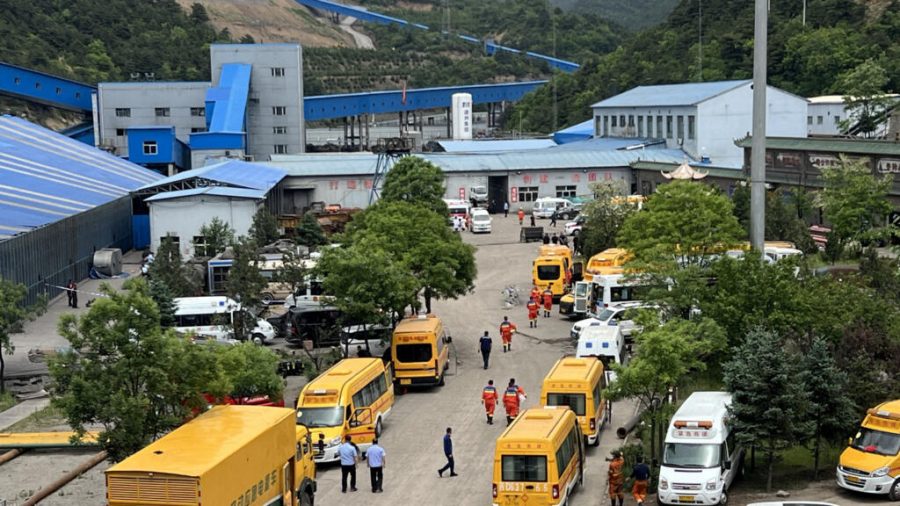
A devastating gas explosion at a coal mine in northern China’s Shanxi province has claimed the lives of at least 90 miners, with scores more still unaccounted for, according to state media reports on Saturday. The tragic incident marks the country’s worst mining disaster in over 15 years, raising urgent questions about safety standards in one of the world’s largest coal-producing nations.
Disaster Strikes in Shanxi Province
The explosion occurred late Friday night at a coal mine located in the heart of Shanxi province, a region known for its extensive coal mining operations. Local authorities have stated that the blast was caused by a sudden buildup of gas within the mine, igniting a catastrophic chain of events. Rescue teams have been working tirelessly through the night to reach the dozens of miners who remain trapped underground.
Emergency services have described the situation as “complex and challenging” due to the risk of further explosions and the fragile state of the mine’s infrastructure. Heavy machinery has been deployed to remove debris, but hopes of finding survivors are diminishing as rescue efforts enter their second day.
China’s Troubled Mining Industry
China has long grappled with safety concerns in its mining sector, which is notorious for its high accident rates. Despite recent efforts by the government to enforce stricter regulations and improve working conditions, accidents like this continue to occur, highlighting the dangers faced by miners on a daily basis.
The country’s last mining disaster of this magnitude took place in 2007, when an explosion at a coal mine in Liaoning province killed 105 workers. Experts say that while safety measures have improved since then, illegal mining operations and pressure to maximize output often compromise the welfare of workers.
Government Response and Public Outcry
In the wake of the tragedy, Chinese President Xi Jinping has called for a thorough investigation into the incident and immediate measures to prevent similar disasters in the future. Local authorities in Shanxi have also pledged to hold those responsible accountable, though public trust in the enforcement of safety standards remains low.
On social media platforms like Weibo, users expressed grief and anger over the recurring loss of lives in the mining sector. “How many more lives must be sacrificed before real change happens?” one user wrote, summing up the sentiment of many.
Ongoing Rescue Efforts
As of Saturday afternoon, rescue teams continue to work around the clock to locate the missing miners. Officials have confirmed that more than 200 personnel are involved in the operation, but the chances of finding survivors grow slimmer with each passing hour. The families of the missing are anxiously awaiting news, with many gathering outside the mine in a mixture of hope and despair.
The tragedy has cast a spotlight on the dangerous conditions that persist in China’s coal mining industry, even as the nation continues to rely heavily on coal for its energy needs. As the world watches, China faces growing pressure to balance its energy demands with the safety and well-being of its workers.
Conclusion
This latest disaster serves as a grim reminder of the human cost of coal production, not just in China but globally. As rescue efforts continue and the nation mourns, the focus now shifts to ensuring such a tragedy is not repeated. The world will be watching closely to see if this incident spurs meaningful change in China’s mining industry.