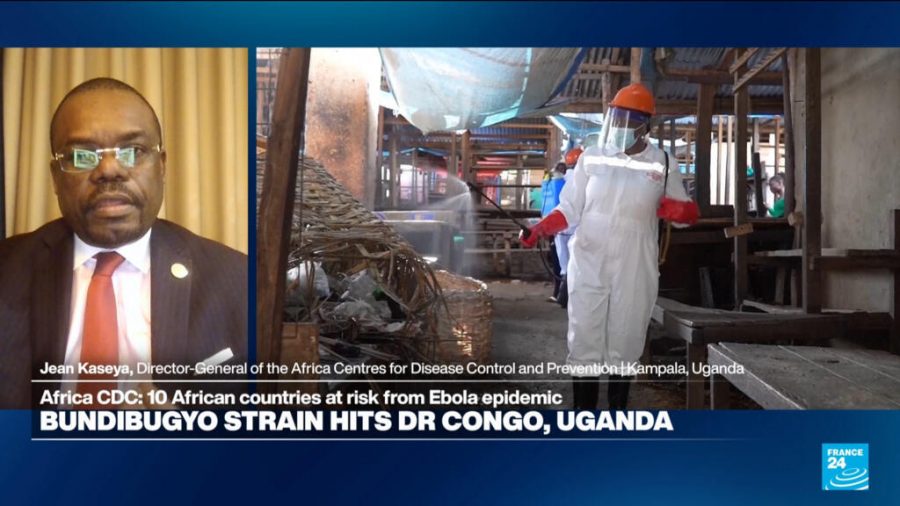
The ongoing Ebola epidemic in Africa has taken a troubling turn, with the Africa Centres for Disease Control and Prevention (Africa CDC) issuing a stark warning on Saturday. According to the agency, up to ten additional African countries are now at risk of being affected by the virus as it continues to spread across the region.
Countries on High Alert
The ten countries identified as being at risk include Angola, Burundi, the Central African Republic, the Republic of Congo, Ethiopia, Kenya, Rwanda, South Sudan, Tanzania, and Zambia. This warning comes amid a surge in cases in neighboring regions, raising concerns about the potential for a wider outbreak.
Uganda, one of the countries already grappling with the epidemic, has confirmed three new cases of Ebola. Meanwhile, the Democratic Republic of Congo (DRC), which has been a hotspot for the virus, reported the deaths of three Red Cross volunteers in its eastern region after they contracted the disease in March.
Violence Hampers Ebola Response
The fight against Ebola is being further complicated by violence and unrest in affected areas. In the Ituri province’s town of Mongbwalu, residents attacked and set fire to an Ebola treatment center, forcing 18 suspected cases to flee. A separate facility in Rwampara was also targeted and partially destroyed by fire, underscoring the challenges faced by healthcare workers in providing critical care.
These attacks not only disrupt essential medical services but also increase the risk of the virus spreading unchecked. Healthcare workers and volunteers on the frontlines are now facing dual threats: the deadly virus itself and the dangers posed by local resistance and violence.
Regional and Global Concerns
The rapidly evolving situation has sparked alarm among health authorities across Africa and beyond. The Red Cross has called for greater international support to bolster the capacity of healthcare systems in the affected and at-risk countries. Efforts to educate local populations about the disease, its transmission, and the importance of treatment have been met with resistance in some areas, further complicating containment efforts.
Africa CDC is urging neighboring countries to ramp up surveillance, ensure rapid response mechanisms are in place, and strengthen their healthcare infrastructures. The organization is also working closely with international partners to ensure that resources, including vaccines and medical equipment, are distributed to where they are needed most.
A Race Against Time
The current outbreak serves as a stark reminder of the devastating impact that Ebola can have on communities and healthcare systems. While significant progress has been made in fighting the disease since the major outbreak in West Africa from 2014 to 2016, the challenges remain immense. The international community will need to act swiftly to prevent the virus from gaining a stronger foothold in at-risk nations.
As the situation unfolds, the priority remains clear: to contain the virus, protect healthcare workers, and provide timely support to vulnerable communities. The coming weeks will be critical in determining whether the outbreak can be effectively managed or if it will escalate further, putting millions more at risk.