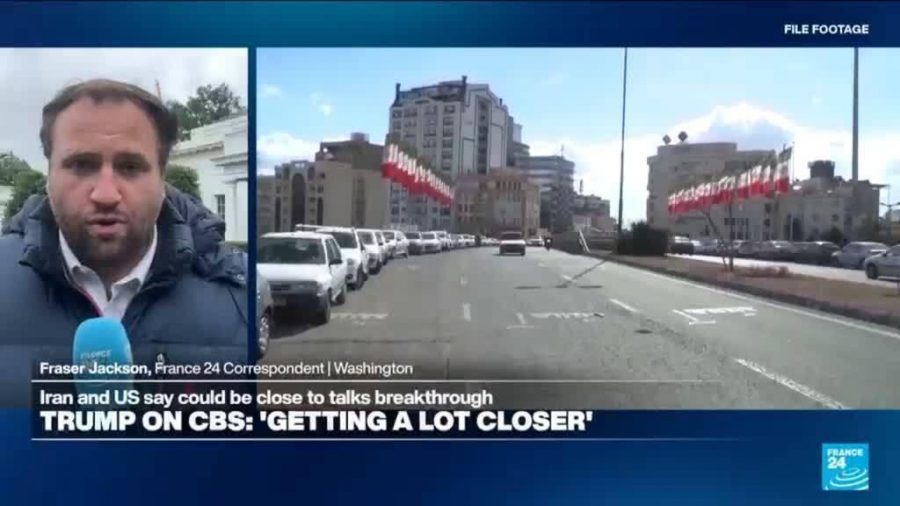
In a development that could have far-reaching implications for global stability, both the United States and Iran have reported significant progress in their attempts to broker a deal aimed at ending the ongoing US-Israeli conflict with Iran. This breakthrough comes after weeks of intense diplomatic negotiations, with officials on both sides hinting at a potential resolution to the long-standing tensions that have escalated into a broader regional conflict.
Signs of Progress in Diplomatic Efforts
FRANCE 24 correspondent Fraser Jackson, reporting from Washington, DC, noted that there has been “significant movement” in the discussions. While the exact details of the potential agreement remain under wraps, both nations have acknowledged a shift in tone, suggesting a newfound willingness to compromise on critical issues. This marks a stark contrast to the earlier stalemate that had cast doubt on the feasibility of a resolution.
According to sources close to the negotiations, key sticking points such as military de-escalation, humanitarian aid corridors, and regional security guarantees are being addressed with renewed urgency. Both sides appear to recognize the high stakes, as the prolonged conflict has already resulted in devastating human and economic costs.
Global Implications of a Potential Agreement
The international community has been closely monitoring the talks, with many nations urging swift action to prevent further escalation. A successful agreement could not only bring an end to the immediate conflict but also pave the way for improved US-Iran relations—an outcome that has eluded global diplomacy for decades.
“This is not just about two nations coming to an understanding,” said an unnamed senior US official involved in the talks. “It’s about setting the stage for a more stable and secure Middle East, which has ramifications for the entire world.”
- Humanitarian Concerns: Aid organizations have warned of a worsening crisis in affected regions, emphasizing the urgency of a ceasefire.
- Economic Impact: The conflict has disrupted global oil markets, driving up prices and exacerbating inflation worldwide.
- Geopolitical Risks: Prolonged hostilities risk drawing in other regional powers, creating a broader and more dangerous confrontation.
Challenges and Unresolved Issues
Despite the optimism, significant hurdles remain. Analysts caution that deep-seated mistrust between the US and Iran could still derail the process. Moreover, Israel’s stance on the negotiations has yet to be clarified, raising questions about how any potential agreement would address its security concerns.
“While progress is encouraging, we must remain cautious,” said a foreign policy expert. “The history of US-Iran relations is fraught with mistrust, and this moment will test whether both sides can move beyond past grievances.”
As the world watches closely, the coming days will be critical in determining whether this reported progress can translate into a concrete and lasting peace agreement. For now, the possibility of an end to the conflict remains a beacon of hope in an otherwise turbulent geopolitical landscape.