The world’s most critical maritime chokepoints are becoming the stage for an escalating geopolitical power struggle. The ongoing crisis in the Strait of Hormuz, a vital channel for global oil shipments, has intensified international efforts to secure other strategic waterways, exposing vulnerabilities in global trade and security.
The Strait of Hormuz: A Global Bottleneck
The Strait of Hormuz, a narrow passage connecting the Persian Gulf to the Arabian Sea, handles about 20% of the world’s oil supply. The region has long been a flashpoint for tensions, with recent incidents of tanker seizures and military posturing further destabilizing the area. As major powers like the United States, China, and regional players like Iran and Saudi Arabia jostle for influence, the chokepoint has become a symbol of broader geopolitical rivalries.
Ripple Effects on Global Trade
Disruptions in the Strait of Hormuz send shockwaves through the global economy. With oil prices spiking and insurance premiums for ships surging, businesses and consumers worldwide are feeling the impact. The crisis has prompted nations to explore alternative shipping routes and energy sources to reduce their reliance on this precarious corridor.
Other Vulnerable Waterways Under Scrutiny
While the Strait of Hormuz grabs global headlines, other narrow seas and maritime chokepoints are also under increased scrutiny. The Bab-el-Mandeb Strait, the Suez Canal, and the Strait of Malacca are critical arteries of international trade, and their security is now a top priority for many nations.
- Bab-el-Mandeb Strait: This passage links the Red Sea to the Gulf of Aden and the Arabian Sea, making it a vital route for European and Asian trade. The ongoing conflict in Yemen poses a significant threat to its stability.
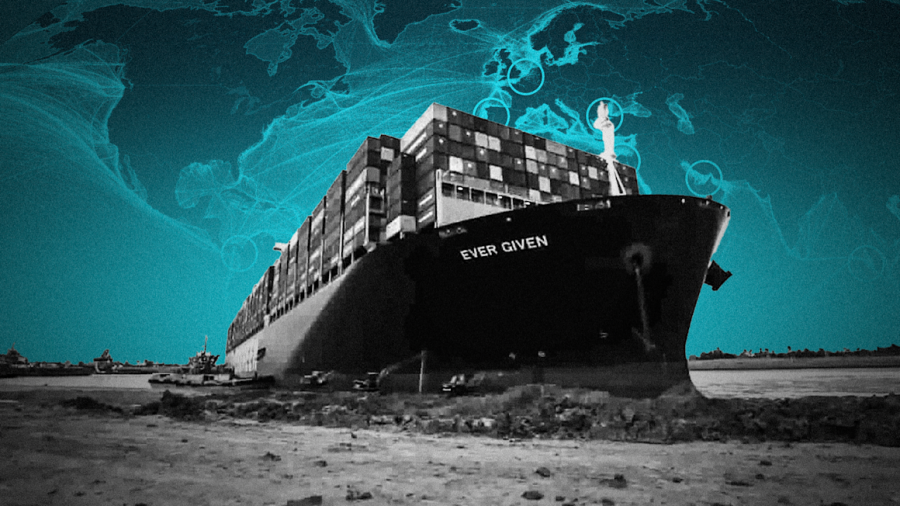
- Suez Canal: Following the high-profile blockage of the canal in 2021, global shipping lines are acutely aware of its importance and fragility.
- Strait of Malacca: Connecting the Indian Ocean to the South China Sea, this strait is a lifeline for Asian economies, but its narrow width makes it vulnerable to congestion and piracy.
The Race for Maritime Dominance
In response to these challenges, countries are ramping up their naval capabilities and forming new alliances. The United States has bolstered its presence in the Middle East, while China’s Belt and Road Initiative includes significant investments in ports and maritime infrastructure worldwide. Meanwhile, smaller nations are enhancing their coast guard operations to protect their territorial waters.
International organizations are also stepping in to mediate and propose solutions. The United Nations has called for dialogue to ease tensions in the Strait of Hormuz, while the International Maritime Organization is working on measures to improve the safety of global shipping lanes.
What Lies Ahead?
As the world becomes increasingly interconnected, the stability of these narrow seas is more crucial than ever. While diplomatic efforts continue, the competition for control over these waterways shows no signs of abating. The outcome of these struggles will have far-reaching implications for global trade, energy security, and international relations in the years to come.