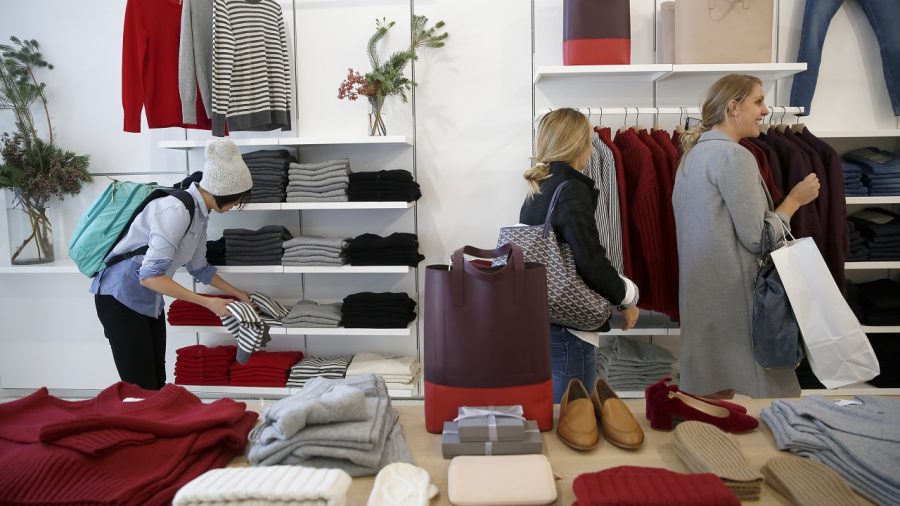
For years, brands like Everlane seemed to represent the perfect marriage of style and substance for millennial shoppers. With its promise of ‘radical transparency,’ the company heralded a shift towards mindful consumerism, where ethics and aesthetics coexisted harmoniously. But as the tides of consumer sentiment shifted and cracks began to appear in Everlane’s glossy narrative, the dream of the feel-good millennial brand began to unravel.
The Rise of the Ethical Consumer
In the early 2010s, a new type of consumer began to emerge: mindful, socially conscious, and skeptical of traditional corporate practices. Millennials, a generation plagued by climate anxiety, economic instability, and a growing awareness of global inequality, sought brands that aligned with their values. Everlane, launched in 2011, positioned itself as the antidote to fast fashion, offering clean-cut wardrobe staples with an ethical twist.
Everlane’s promise of ‘radical transparency’ was a game-changer. The company shared detailed cost breakdowns of its products, revealing manufacturing expenses, labor costs, and even profit margins. Its factories were showcased as paragons of fair labor practices, giving customers the assurance that their purchases were making a positive impact. Social media campaigns and minimalist branding enhanced the appeal, cementing Everlane as the quintessential millennial brand.
The Shift in Consumer Sentiment
However, the tides began to turn in the late 2010s. As the market became saturated with ‘feel-good’ brands, the novelty of Everlane’s transparency started to wear thin. Competitors like Patagonia and Reformation stepped up their sustainability game, offering more concrete environmental initiatives and certifications. Meanwhile, investigative journalism and social media whistleblowers began to question Everlane’s ‘ethical’ claims, pointing to allegations of union-busting and a lack of diversity within the company.
These revelations coincided with a broader shift in consumer priorities. While millennials had initially championed the idea that shopping could be a form of activism, Gen Z, the next wave of consumers, approached the concept with more skepticism. For them, performative branding wasn’t enough; they demanded measurable impact and genuine accountability. Everlane’s transparency, once its greatest selling point, began to feel more like a marketing gimmick than a revolutionary business model.
The Reality Check
As consumer expectations evolved, so too did the challenges facing the retail industry. The COVID-19 pandemic exacerbated existing pressures, forcing brands to adapt to disrupted supply chains, shifting shopping habits, and economic uncertainty. Everlane was not immune. Layoffs, reports of internal turmoil, and growing competition further eroded the brand’s once-stellar reputation.
Moreover, the rise of secondhand marketplaces and rental platforms signaled a growing appetite for circular fashion models—a stark contrast to Everlane’s traditional retail approach. Consumers began to question whether buying new clothes, even ‘ethical’ ones, was truly compatible with sustainability.
The Lessons Learned
The story of Everlane offers a cautionary tale for brands navigating the complex intersection of ethics and commerce. Transparency and ethical claims can undoubtedly capture consumer attention, but maintaining trust requires more than a compelling narrative. It demands continuous action, genuine accountability, and the ability to adapt to an ever-changing cultural and economic landscape.
While Everlane remains a significant player in the fashion industry, its journey underscores the challenges of sustaining a feel-good brand in a world where good intentions are no longer enough. As consumers grow more discerning, the brands that thrive will be those that move beyond marketing buzzwords to deliver meaningful, measurable change.