Turkey Riot Police Storm Opposition Party HQ in Ankara
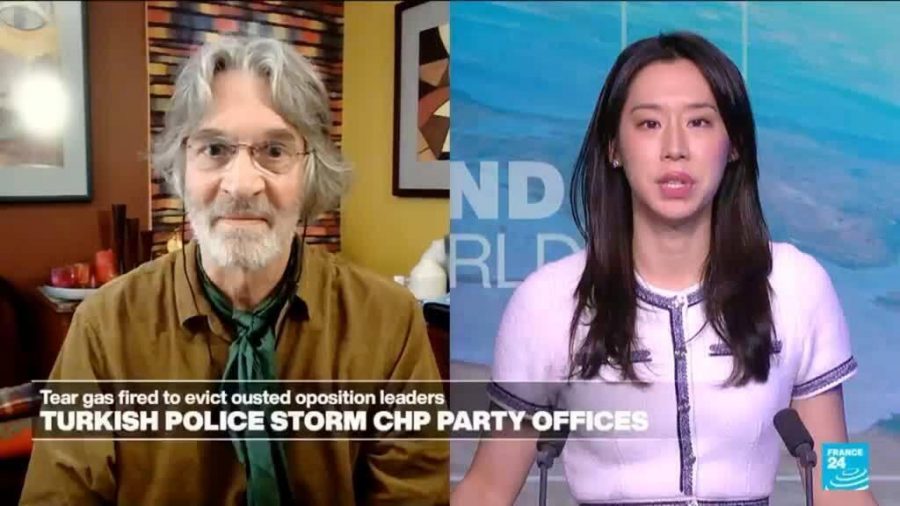
Turkey’s capital city, Ankara, was plunged into chaos as riot police used tear gas to take control of the opposition party’s headquarters. The dramatic scene unfolded in the heart of the city, with protesters and police clashing in a confrontation that has sparked widespread concern about the state of democracy in Turkey.
Background to the Crisis
The opposition party has been a vocal critic of the government, accusing it of authoritarianism and human rights abuses. The party’s leaders have been subjected to intense scrutiny and pressure, with many of its members facing arrest and prosecution on charges that critics say are trumped up.
The Role of Riot Police
The use of tear gas by riot police to storm the opposition party’s headquarters has been widely condemned by human rights groups and opposition supporters. The police action was seen as a heavy-handed attempt to silence the opposition and stifle dissent, and has raised questions about the government’s commitment to democratic values.
Key Facts About the Crisis
- The opposition party’s headquarters was stormed by riot police using tear gas.
- The party’s leaders have been accused of treason and face arrest and prosecution.
- Human rights groups have condemned the police action as a violation of democratic rights.
- The government has defended its actions, saying it is maintaining order and stability.
International Reaction
The international community has been watching the crisis in Turkey with growing concern. The European Union and the United States have issued statements calling for calm and restraint, and urging the government to respect democratic principles and human rights. The United Nations has also weighed in, with its human rights chief expressing alarm at the police action and calling for an investigation.
What’s Next for Turkey?
The crisis in Turkey is likely to have far-reaching consequences for the country’s democracy and its relations with the international community. As the situation continues to unfold, all eyes will be on the government’s next move, and whether it will heed calls to respect democratic principles and human rights.