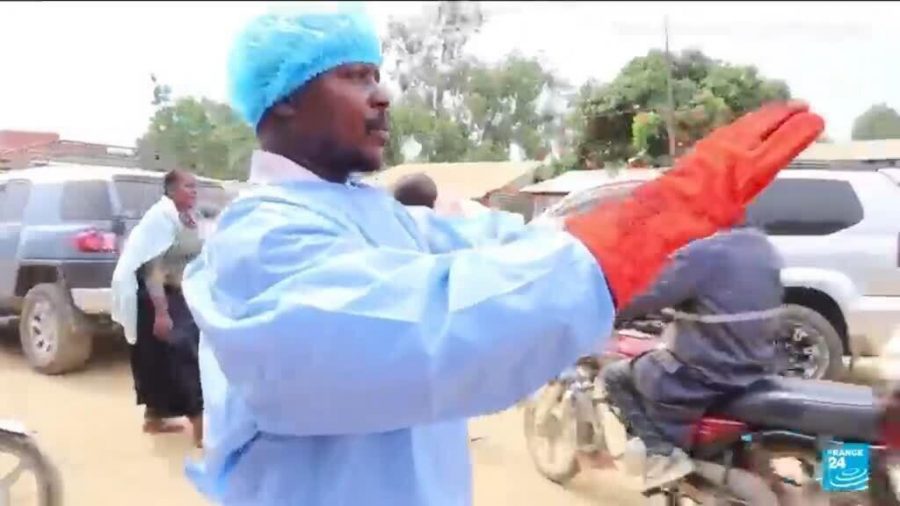
The Democratic Republic of Congo (DRC) is grappling with a rapidly escalating Ebola outbreak, with over 900 suspected cases reported in its eastern regions. Meanwhile, Uganda has confirmed two additional cases of Ebola among healthcare workers in its capital, Kampala, bringing the country’s total to seven cases—all linked to the outbreak raging across the border in the DRC.
Ebola Outbreak Sparks Regional Concerns
The outbreak in the DRC has created a ripple effect across neighboring countries, sparking fears of a broader regional health crisis. The strain responsible for the outbreak, the rare Bundibugyo strain, poses significant challenges as there is currently no approved vaccine or treatment available.
Ugandan health officials are on high alert after detecting cases in the capital city. This development highlights the virus’s alarming ability to spread rapidly, even to urban centers far from its origin. Uganda’s Ministry of Health, in collaboration with the World Health Organization (WHO), has deployed containment measures to curb the virus’s spread, including contact tracing and isolation of suspected cases.
Challenges in Eastern Congo
In eastern Congo, the situation is especially dire. Authorities and local volunteers are struggling to manage the outbreak in a region plagued by longstanding conflict and insecurity. Ongoing violence has made it difficult for health workers to access affected areas, let alone implement robust containment measures.
The limited availability of medical resources further complicates response efforts. Health workers on the ground are stretched thin, working tirelessly to track and isolate suspected cases while educating communities about preventative measures. However, misinformation and mistrust of medical teams continue to hinder progress.
The Need for International Support
Global health organizations have expressed grave concerns over the outbreak’s trajectory. The WHO has called for increased international support to bolster containment efforts in both the DRC and Uganda. Experts warn that without urgent intervention, the outbreak could spiral out of control, threatening not only the region but potentially spreading to other parts of the world.
Efforts to develop a vaccine or treatment specifically targeting the Bundibugyo strain are now more critical than ever. However, such advancements take time—a luxury that health workers on the frontlines cannot afford as they race to save lives and prevent further infections.
Looking Ahead
The fast-moving nature of the Ebola outbreak in the DRC and its spillover into Uganda underscore the importance of a coordinated global response. As the international community rallies behind the affected nations, the hope is that swift action, combined with local efforts, can bring the situation under control before it worsens further.
The world will be closely watching how the DRC and Uganda manage this crisis, as it serves as a sobering reminder of the ongoing vulnerability to infectious diseases and the critical need for preparedness, resources, and solidarity in tackling such public health threats.