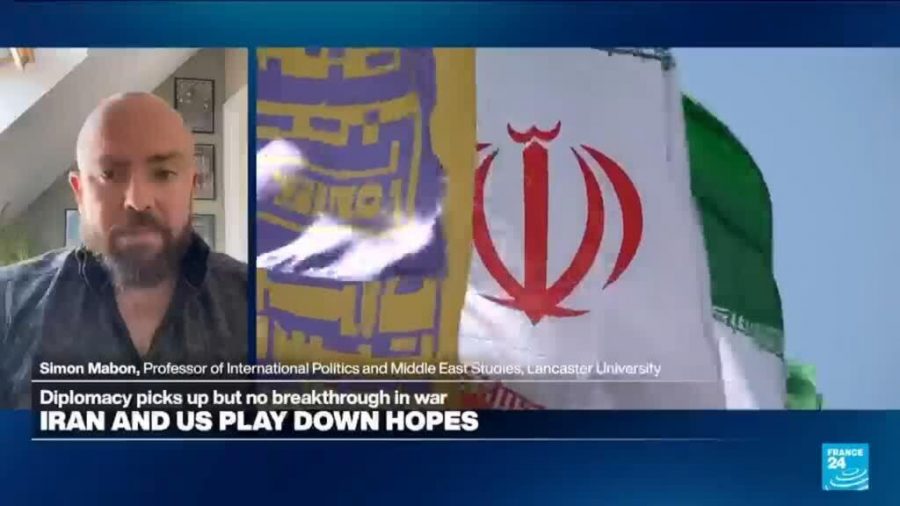
The prospect of a historic agreement between Iran and the United States that could ease years of conflict and economic strain has hit a significant snag as both sides downplay hopes of an imminent breakthrough. Despite earlier signs of progress, the Iranian nuclear program remains a contentious issue, with geopolitical stakes and regional influences complicating negotiations.
Geopolitical Leverage in Play
Simon Mabon, Professor of International Politics and Middle East Studies at Lancaster University, sheds light on the situation, emphasizing Iran’s leveraging of key strategic assets. Tehran’s influence over the Strait of Hormuz—a vital waterway for global energy supplies—has amplified pressure on both Washington and the international community. This strategic choke point underscores Iran’s ability to disrupt global oil markets, adding urgency to the discussions.
Economic Guarantees and Sanctions Relief
Years of crippling sanctions have severely impacted Iran’s economy, and Tehran is seeking assurances that any deal will include concrete economic relief. The absence of trust between the two nations has led Iran to demand robust guarantees to avoid a repeat of past promises falling short. The stakes are particularly high as the Iranian government faces mounting domestic pressures to deliver economic stability.
Nuclear Program: The Core Stumbling Block
While economic concerns are pressing, the Iranian nuclear program remains the linchpin of the negotiations. The international community, led by the United States, has repeatedly expressed concerns over Tehran’s uranium enrichment activities and its potential to develop nuclear weapons. This issue has drawn fierce opposition from regional players like Israel, which is reportedly lobbying behind the scenes to ensure any agreement directly addresses the nuclear threat.
- Israel’s Role: Israel’s security concerns have been a driving force behind its opposition to an Iran-US deal. Analysts believe that Israeli pressure is influencing the US approach to negotiations.
- Global Economic Impacts: The uncertainty surrounding the deal has already fueled volatility in global oil markets, highlighting the far-reaching consequences of the stalemate.
- Diplomatic Recalibration: Both Tehran and Washington appear to be recalibrating their strategies, signaling that the road to a deal remains fraught with challenges.
What Lies Ahead
As talks continue, the spotlight remains firmly on the nuclear issue. Diplomats on both sides face the challenge of balancing domestic political pressures, international alliances, and economic imperatives. While the prospect of an agreement is not entirely off the table, the complexities of the negotiations suggest that a resolution may take longer than initially anticipated.
The stakes could not be higher, as any deal between Iran and the US would have profound implications for the Middle East, global security, and the world economy. For now, however, the nuclear standoff remains the key obstacle in the path toward peace.