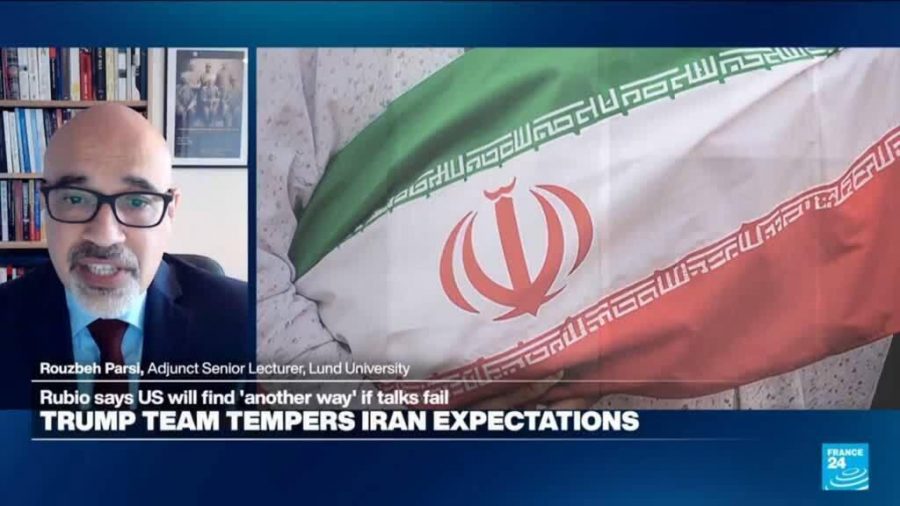
The Middle East continues to be a region fraught with tension as the United States and Iran navigate a labyrinth of mistrust in their efforts to find a diplomatic resolution to ongoing conflicts. With conflicting signals emanating from both sides, the path to any credible agreement remains mired in uncertainty, according to experts closely monitoring the situation.
Deep-Rooted Mistrust Defines the Negotiations
Rouzbeh Parsi, an Adjunct Senior Lecturer at Lund University and a recognized expert on the region, shed light on the precarious nature of these talks during an interview with FRANCE 24. “The contradictions in the current negotiations are glaring,” Parsi noted, emphasizing the enduring mistrust between Washington and Tehran as a significant barrier to progress. This mistrust, he explained, is not new but has been exacerbated by decades of animosity and missed opportunities for reconciliation.
While both nations have expressed a willingness to explore diplomatic solutions, their actions often tell a different story. Iran, for instance, has continued to expand its nuclear activities, claiming them to be peaceful, while the United States has maintained stringent sanctions, further deepening the economic strain on the Islamic Republic. Each side accuses the other of acting in bad faith, creating a cycle of blame that makes meaningful dialogue exceedingly difficult.
Conflicting Signals and Political Pressures
Adding to the complexity are the mixed messages coming from both countries’ leadership. In Washington, political divisions have made it challenging to adopt a cohesive strategy toward Iran. On the other hand, Tehran faces its own internal pressures, with hardliners in the government opposing any perceived concessions to the West. These dynamics play out against the backdrop of a region already destabilized by ongoing conflicts in Syria, Yemen, and Iraq, raising the stakes for any potential missteps.
Parsi pointed out that both nations are keenly aware of the risk of escalation. “Neither side wants to see the current confrontation spiral into a wider war,” he said. However, the lack of trust and the inability to find common ground mean that even small provocations could have outsized consequences, pushing the region closer to the brink of further instability.
Is an Exit Strategy Possible?
Despite the challenges, there are indications that both the United States and Iran are exploring ways to de-escalate tensions. For Washington, an extended standoff with Iran has diverted resources and attention away from other pressing global issues, including the rise of China and the war in Ukraine. For Tehran, the economic toll of U.S.-imposed sanctions has been devastating, fueling domestic unrest and weakening the government’s grip on power.
Parsi argued that any successful resolution would require significant concessions on both sides. “A credible agreement would need to address not only the nuclear issue but also the broader security concerns that both nations have,” he explained. This would likely involve a phased approach where trust can be built incrementally, though such a strategy is fraught with risks.
Looking Ahead
As the diplomatic dance continues, the international community watches with bated breath. The consequences of failure could be devastating, not just for the United States and Iran but for the entire Middle East. For now, the key question remains whether both nations can overcome their deep-seated mistrust to chart a path toward peace.
While the road ahead is uncertain, one thing is clear: the stakes have never been higher. The coming weeks and months will be critical in determining whether diplomacy can prevail in a region where conflict has too often been the norm.