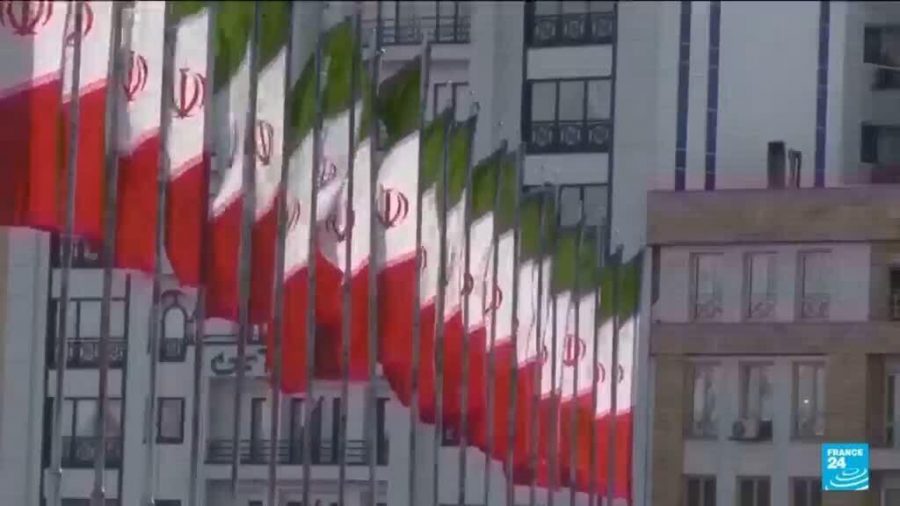
Uncertainty continues to cloud US-Iran negotiations as both nations acknowledge strides made in discussing a potential 14-point memorandum of understanding but remain cautious about the prospects of reaching a final agreement. While the United States has characterized the ongoing talks as a “work in progress,” Iran has accused Washington of sending mixed signals, further complicating the already delicate dialogue.
Progress Amid Lingering Doubts
According to US Secretary of State Marco Rubio, the discussions have seen some advancement in recent weeks. “We are making progress, but there’s still a lot of work ahead,” Rubio stated during a press briefing. This sentiment was echoed by other US officials who emphasized that the negotiations are far from reaching a conclusive stage.
Iran, however, has expressed frustration over what it perceives as inconsistencies in Washington’s approach. A senior Iranian diplomat, speaking on condition of anonymity, noted, “While there has been movement on certain points, key issues remain unresolved, and the US appears to be sending contradictory messages.”
The Key Sticking Points
At the heart of the ongoing discussions are several critical issues that both sides have yet to reconcile. These include:
- Nuclear Program Restrictions: The US is pushing for stringent limitations on Iran’s nuclear activities, while Tehran demands concessions in exchange for any compliance.
- Sanctions Relief: Iran has reiterated its call for the immediate lifting of economic sanctions, a move the US has linked to verifiable actions by Tehran.
- Regional Influence: Washington has raised concerns about Iran’s role in regional conflicts, further complicating the scope of the agreement.
Despite these challenges, both nations have agreed to continue talks, with negotiators reportedly working tirelessly behind closed doors to iron out differences.
Mixed Signals from Washington?
One of Tehran’s major grievances has been what it describes as “mixed messages” from Washington. Iranian officials argue that while some US representatives appear committed to reaching a deal, others seem to adopt a more hardline stance, creating confusion over America’s true intentions.
On the US side, analysts suggest that the perceived inconsistencies may reflect internal divisions within the Biden administration over how to approach Iran. Critics have pointed to a lack of cohesive strategy, warning that this could undermine the credibility of American negotiators.
What Lies Ahead?
With both sides committed to continuing the dialogue, the coming weeks are expected to be critical. Analysts believe that the success of the talks will depend not only on resolving the technical and political challenges but also on building mutual trust—a tall order given the decades of animosity between the two nations.
For now, the 14-point memorandum of understanding remains a tentative framework rather than a concrete roadmap. As the world watches closely, the stakes couldn’t be higher: success could pave the way for a significant thaw in US-Iran relations, while failure risks further escalation in an already volatile region.