The prospect of a groundbreaking agreement between Iran and the United States has sparked intense speculation, but both nations have tempered expectations for any swift resolution. Despite some signs of progress in ongoing talks, significant hurdles remain on critical issues, from Iran’s nuclear ambitions to regional stability and economic sanctions.
Key Sticking Points in the Iran-US Negotiations
While both sides have engaged in diplomatic discussions, the talks have not yet bridged the divide on several pivotal matters. Here’s a closer look at the core issues:
1. Iran’s Nuclear Programme
One of the most contentious points is Iran’s nuclear programme. The U.S. has long demanded stringent restrictions on Iran’s uranium enrichment activities to prevent the development of nuclear weapons. Iran, however, insists its nuclear ambitions are entirely peaceful and seeks the freedom to pursue its energy goals without excessive international oversight.
2. Control of the Strait of Hormuz
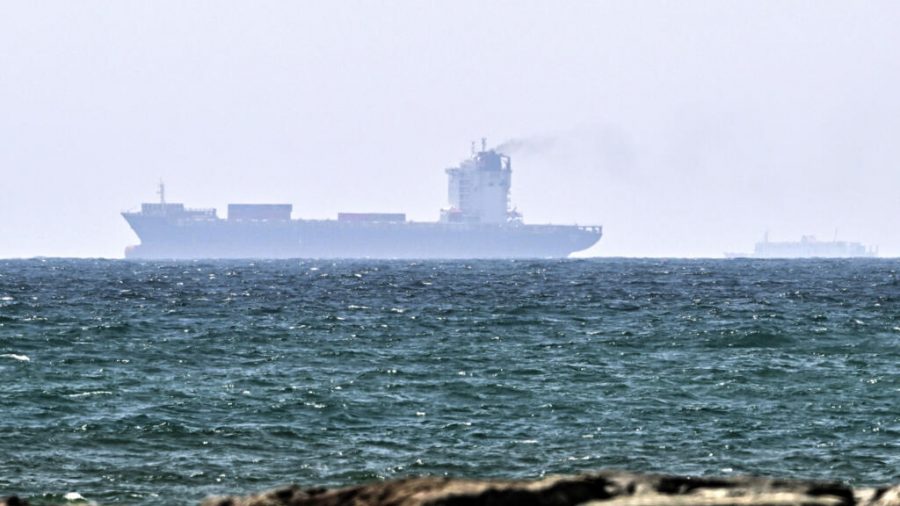
The Strait of Hormuz remains a critical flashpoint in the negotiations. This strategic waterway, through which a significant portion of the world’s oil supply flows, has been a source of tension amid Iran’s threats to block the strait in response to hostile actions. The U.S. and its allies are seeking assurances that Iran will maintain open passage through this vital corridor.
3. Sanctions Relief
Economic sanctions have crippled Iran’s economy, and securing relief is a top priority for Tehran. However, the U.S. has signaled that any easing of sanctions will be contingent on verifiable commitments from Iran on its nuclear activities and regional behavior. This quid-pro-quo dynamic has slowed progress, with both sides reluctant to make the first major concession.
4. A Ceasefire in Lebanon
Regional stability is another critical factor in the talks, with Lebanon emerging as a focal point. Iran’s support for Hezbollah, a powerful political and military organization in Lebanon, has drawn U.S. criticism. A potential ceasefire in the country, which has been grappling with economic and political turmoil, is reportedly on the table but remains unresolved.
Both Sides Temper Expectations
Despite the ongoing dialogue, officials from both nations have sought to manage expectations, cautioning that a deal is far from imminent. A senior U.S. diplomat recently noted that while progress has been made, the outstanding issues require “significant political will” to resolve. Similarly, Iranian officials have emphasized the need for a fair and balanced agreement that addresses their concerns.
What Lies Ahead?
The road to a potential Iran-U.S. agreement is fraught with challenges, but the stakes are high for both sides. For Iran, securing sanctions relief could provide much-needed economic relief, while the U.S. is keen to curb Iran’s nuclear ambitions and ensure stability in the Middle East. As the world watches closely, the outcome of these negotiations could have far-reaching implications for global geopolitics and energy markets.
For now, the wait continues as both nations navigate a complex web of competing interests and entrenched positions. Whether or not a deal can be reached will depend on their ability to find common ground on these key issues, a task that has eluded them for decades.