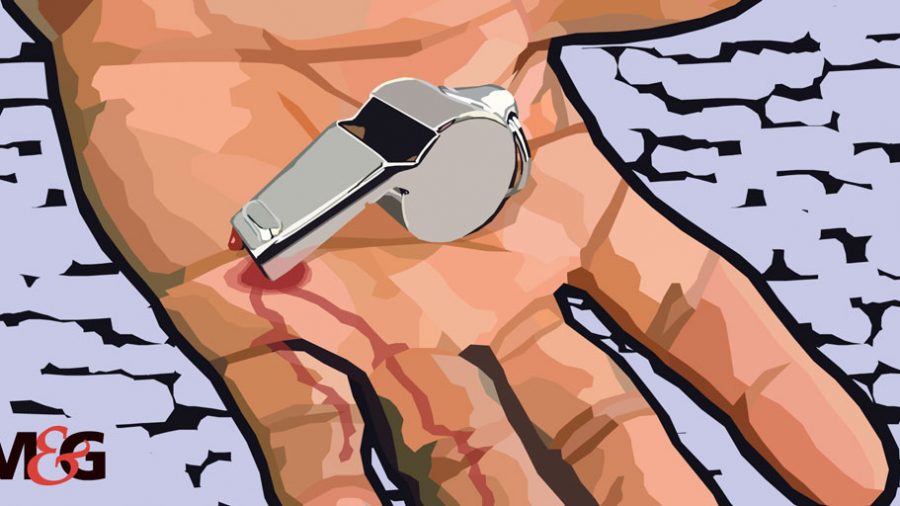
The release of the Protected Disclosures Bill of 2026 by South Africa’s Department of Justice (DOJ) and Constitutional Development is a significant step in the country’s ongoing battle against corruption. Hailed as an essential update to the outdated Protected Disclosures Act (PDA), the new Bill addresses several longstanding technical deficiencies. However, while the proposed amendments demonstrate a commendable effort to strengthen whistleblower protections, critics argue that the reforms fall short of the systemic overhaul necessary to combat corruption effectively and support truth-tellers.
Progress on Technical Fixes
For years, civil society, legal professionals, and whistleblowers themselves have criticized the PDA for its inability to safeguard individuals exposing corruption, particularly in the face of retaliatory tactics deployed by entrenched networks of power. The 2026 Bill offers some relief by modernizing mechanisms for disclosure, broadening definitions, and setting clearer employer obligations for investigating claims. These changes mark a serious effort to address technical holes in the existing framework and reflect the government’s willingness to listen to practitioners in the field.
Among the improvements, the Bill streamlines reporting channels and introduces measures to enhance judicial oversight. Such provisions are designed to create a stronger compliance framework, ensuring that disclosures are not only heard but acted upon. Yet, while these adjustments are necessary, they are far from sufficient to tackle the scale of corruption revealed by the Zondo Commission and other inquiries into state capture.
The Case for Systemic Whistleblower Reform
South Africa is at a pivotal moment in its history. The Zondo Commission and the National Anti-Corruption Advisory Council (NACAC) have laid out a bold vision for rooting out corruption and fostering a culture of integrity. Central to this vision is a comprehensive, independent whistleblower protection system—something the current Bill does not fully deliver. Instead, by focusing primarily on administrative refinements to the existing law, the DOJ risks missing a once-in-a-generation opportunity to build a robust, proactive framework for systemic reform.
The challenges faced by whistleblowers in South Africa are not merely technical; they are deeply structural. Retaliation often extends beyond the workplace to include physical threats, reputational harm, and financial ruin. Addressing these risks requires more than legislative tweaks—it demands a fully resourced, autonomous infrastructure capable of providing material, psychological, and legal support to whistleblowers. Without such measures, the fear of retribution will continue to dissuade individuals from stepping forward, leaving corruption to fester unchecked.
The Gap Between Vision and Reality
To understand the shortcomings of the 2026 Bill, it is worth comparing its provisions to the broader systemic vision outlined by the Zondo Commission and NACAC. Under the proposed legislation, the primary oversight mechanism is a retired judge, appointed by the President and administratively housed within the DOJ. While this approach may offer some level of oversight, it lacks the structural independence required to inspire public trust and ensure impartiality.
In contrast, the systemic vision calls for the establishment of an independent Public Whistleblower Authority. Such an authority would operate outside government departments, ensuring that whistleblowers are protected from political interference. It would also provide material support, such as relocation assistance, financial aid, and counseling, to individuals who risk everything to expose corruption.
What Needs to Change
To bridge the gap between the DOJ’s current draft and the transformative system envisioned by anti-corruption advocates, several key changes are needed:
- Institutional Independence: Establish a structurally insulated Public Whistleblower Authority, free from government influence.
- Comprehensive Support: Provide whistleblowers with financial, legal, and psychological assistance to mitigate the personal costs of coming forward.
- Stronger Protections: Introduce harsher penalties for retaliation against whistleblowers and ensure swift enforcement of those penalties.
- Public Awareness: Launch nationwide campaigns to educate citizens on their rights and the mechanisms available for reporting corruption.
South Africa has a unique opportunity to lead by example in the global fight against corruption. While the 2026 Protected Disclosures Bill is a step in the right direction, it must be viewed as a foundation rather than a finished product. True reform will require bold action and a commitment to systemic change that prioritizes the safety, dignity, and empowerment of whistleblowers. Anything less risks perpetuating the culture of impunity that has allowed corruption to thrive for far too long.