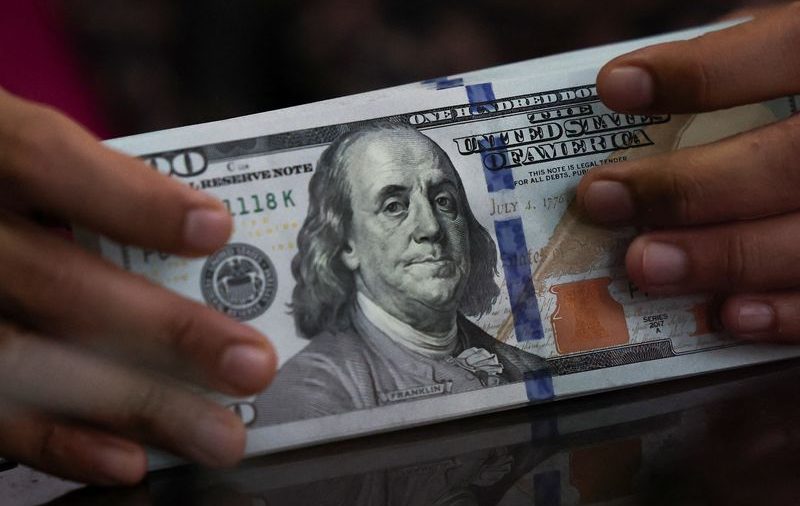
The U.S. dollar weakened on global markets on Tuesday, coinciding with a notable decline in oil prices. The shift comes as optimism grows over a potential diplomatic breakthrough in the Strait of Hormuz, a critical chokepoint for global energy supplies. This development has triggered waves of relief among investors, who are now recalibrating their risk assessments amid easing geopolitical tensions.
Strait of Hormuz: A Vital Energy Corridor
The Strait of Hormuz, which connects the Persian Gulf to the Arabian Sea, remains one of the most strategically important waterways for global oil transport. Nearly 20% of the world’s petroleum travels through this narrow passage, making it a frequent flashpoint for geopolitical conflict. However, reports of progress in negotiations between key regional players have sparked hope for a potential de-escalation of tensions in the area.
Oil Prices React to Positive Developments
In response to these reports, oil prices fell sharply, with Brent crude dropping by 2.3% to settle at $85.12 per barrel. Meanwhile, West Texas Intermediate (WTI) crude fell by 2.1%, closing at $82.45 per barrel. Analysts suggest that the easing of concerns over potential supply disruptions has alleviated pressure on oil markets, leading to the price decline.
John Simmons, a commodities strategist at Global Market Insights, noted, “The market is clearly responding to the possibility of reduced geopolitical risk in the Strait of Hormuz. This has been a key factor driving up oil prices in recent months, so any progress is likely to have a calming effect.”
Dollar Weakens Amid Shifting Market Sentiment
Simultaneously, the U.S. dollar index, which measures the greenback’s strength against a basket of six major currencies, slipped by 0.4% to 103.12. The decline reflects a broader risk-on sentiment among investors, who are pivoting toward higher-yielding assets as geopolitical fears subside.
This shift in sentiment has also bolstered emerging market currencies, which often gain when global risk levels drop. The Mexican peso and South African rand both saw modest gains, buoyed by improved investor confidence and the declining dollar.
What’s Next for Markets?
The outlook remains cautiously optimistic as stakeholders await further confirmation of progress in the Hormuz negotiations. While the immediate market reaction has been positive, experts warn that the situation remains fluid and could shift rapidly if talks falter or new tensions emerge.
“The market is always quick to price in optimism, but we must be prepared for setbacks,” said Emily Carter, a senior analyst at Horizon Economic Research. “For now, the easing of oil prices and the weaker dollar are welcome signs, but long-term stability will depend on sustained diplomatic progress.”
- Key Factors to Watch:
- Updates from ongoing negotiations in the Strait of Hormuz
- Fluctuations in global oil supply and demand
- Central bank actions in response to currency movements
As markets continue to digest these developments, all eyes will remain on the Middle East. Any further signs of progress could pave the way for a sustained period of lower oil prices and a stable dollar, providing relief to businesses and consumers alike.