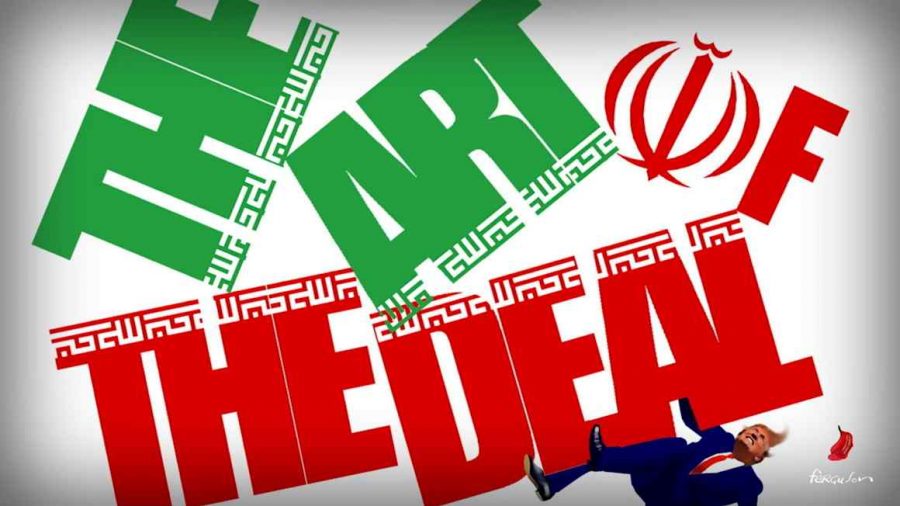
In the high-stakes arena of global diplomacy, Iran appears to be gaining the upper hand, outmaneuvering former U.S. President Donald Trump’s ‘art of the deal.’ As tensions simmer and geopolitical strategies evolve, Tehran is poised to emerge from the conflict more emboldened, more hardline, and potentially better equipped to revive its nuclear ambitions.
Tehran’s Tactical Gains
Over the past few years, Iran has demonstrated a calculated approach to navigating international disputes. Despite facing crippling sanctions and political isolation under the Trump administration, the Islamic Republic has effectively capitalized on the vacuum left by the U.S.’s withdrawal from the 2015 nuclear deal, formally known as the Joint Comprehensive Plan of Action (JCPOA). By leveraging its regional influence and maintaining strategic alliances, Tehran has managed to keep its adversaries on edge.
From Pressure to Leverage
The Trump administration’s ‘maximum pressure’ campaign, which aimed to bring Iran’s leadership to its knees, has arguably backfired. Instead of capitulating, Iran doubled down on its nuclear program and expanded its sphere of influence in the Middle East. The country’s ability to withstand years of sanctions, while continuing to project military and political power, is a testament to its resilience.
Analysts warn that this newfound confidence could lead to a more hardline stance in future negotiations. Tehran may now feel less inclined to make concessions, especially given its ability to withstand the worst of international pressure under Trump’s presidency.
New Resources, New Challenges
A key concern for global powers is Iran’s potential acquisition of new resources to rebuild its nuclear program. The lifting of certain sanctions under the Biden administration, coupled with Tehran’s growing relationships with nations like China and Russia, could provide the funding and technological support necessary for Iran to accelerate its nuclear ambitions.
Furthermore, reports suggest that Iran has been quietly advancing its ballistic missile capabilities, a move that could further destabilize the region. If left unchecked, these developments could lead to an arms race in the Middle East, with neighboring countries investing heavily in defense mechanisms to counter the perceived threat from Tehran.
What Lies Ahead
The trajectory of U.S.-Iran relations remains uncertain, but one thing is clear: Iran is no longer the isolated, cornered nation it was once portrayed as during the Trump years. Its leadership has weathered economic and political storms, using them to galvanize domestic support and consolidate power. The country’s ability to navigate these challenges has not only strengthened its resolve but also its bargaining position on the global stage.
For Washington, this means that any future negotiations with Iran will require a more nuanced approach. The era of blunt economic sanctions and unilateral demands may no longer be effective. Instead, a return to multilateral diplomacy, combined with a deeper understanding of Iran’s strategic goals, could pave the way for more productive talks.
Conclusion
As the dust settles on years of contentious U.S.-Iran relations, one thing is becoming increasingly evident: Tehran has mastered its own version of the ‘art of the deal.’ By turning pressure into opportunity and isolation into leverage, Iran has positioned itself as a formidable player on the global stage. The question now is whether the world is prepared to engage with a more confident and ambitious Iran—or if it will continue to rely on outdated tactics that no longer hold sway.