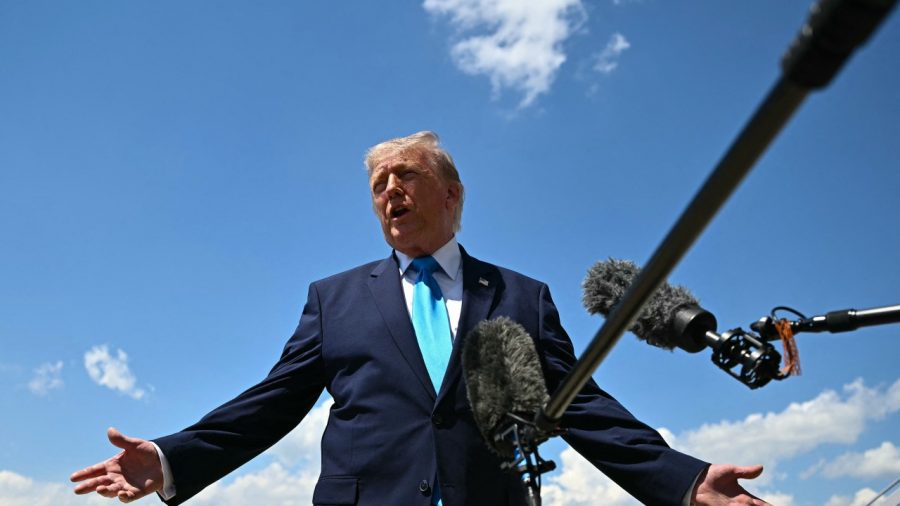
The recent developments in the negotiations between the United States and Iran have sparked intense debate and speculation about the potential outcome of a nuclear deal. At the center of this debate is the question of whether the Trump administration will bail out Iran’s regime as part of the agreement.
Introduction
The outlines of a 60-day framework agreement have been revealed, suggesting that the US may be willing to make significant concessions to Iran before a nuclear deal is even signed. This has raised concerns among critics who argue that such concessions could embolden the Iranian regime and undermine the overall goal of the negotiations.
Key Concessions
According to reports, the framework agreement includes several key concessions that the US is willing to make to Iran. These concessions include:
- Lifting of economic sanctions on Iran
- Removal of Iranian individuals and entities from the US blacklist
- Providing Iran with access to international financial markets
These concessions are significant, and critics argue that they could provide a major boost to the Iranian economy and help to stabilize the regime. However, proponents of the agreement argue that these concessions are necessary to bring Iran to the negotiating table and to secure a comprehensive nuclear deal.
The Risks of a Bad Deal
Despite the potential benefits of a nuclear deal with Iran, there are also significant risks associated with making concessions to the Iranian regime. One of the main concerns is that the regime will use the concessions to further its own interests and undermine the stability of the region. This could include using the lifted sanctions to fund terrorist groups and other extremist organizations, or to develop its ballistic missile program.
Regional Implications
The implications of a nuclear deal with Iran are not limited to the US and Iran. The agreement could also have significant consequences for the region as a whole. Other countries in the Middle East, such as Saudi Arabia and Israel, are watching the negotiations closely and are concerned about the potential impact on their own security. If the deal is seen as too favorable to Iran, it could exacerbate existing tensions in the region and potentially even lead to a new arms race.
In conclusion, the question of whether the Trump administration will bail out Iran’s regime as part of a nuclear deal is a complex and contentious issue. While there are potential benefits to a comprehensive agreement, there are also significant risks associated with making concessions to the Iranian regime. As the negotiations continue, it will be important to carefully consider these risks and to ensure that any deal that is reached is in the best interests of the US and the region as a whole.