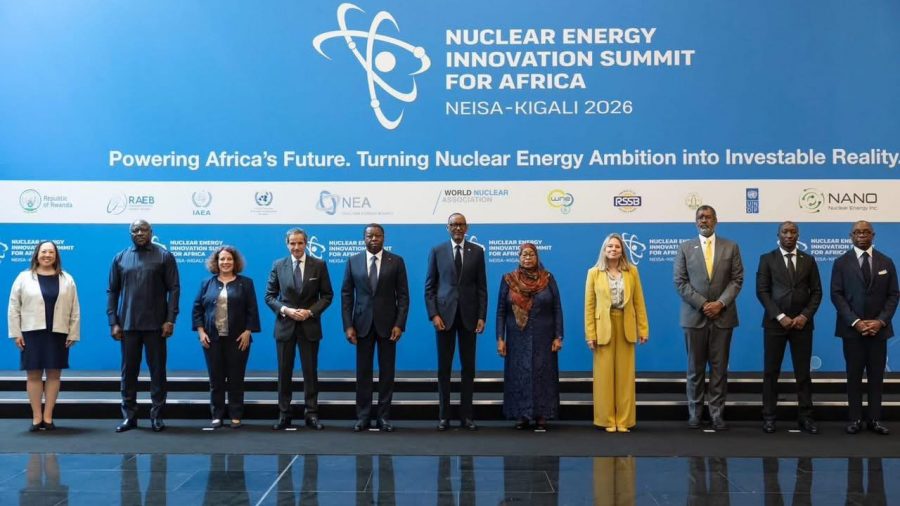
Nuclear Energy: The Key to Unlocking Africa’s Industrial Potential
As Africa seeks to harness its vast resources for industrial growth, the importance of a stable energy supply has never been clearer. The recent Nuclear Energy Innovation Summit for Africa (NEISA) highlighted this pressing issue, bringing together leaders and experts dedicated to advancing nuclear energy initiatives across the continent.
The Energy Challenge
From the outset, NEISA aimed to foster collaboration among stakeholders who understand that economic futures hinge on resolving energy challenges swiftly. With a growing consensus around the necessity of nuclear energy, countries like Rwanda are paving the way for a brighter, more sustainable future.
Rwanda’s Commitment to Nuclear Energy
Rwanda has made significant strides in its nuclear energy ambitions, recently completing the International Atomic Energy Agency’s (IAEA) Phase 1 Integrated Nuclear Infrastructure Review. This critical assessment confirms that the nation is on track to operationalize nuclear energy by the early 2030s.
Energy as a Foundation for Growth
In Africa, energy is more than just a development issue; it is the bedrock of industrial growth and competitiveness. Reliable power is essential for modern manufacturing, mineral processing, digital infrastructure, and advanced healthcare services. Moreover, as industries increasingly embrace artificial intelligence and data-driven technologies, energy consumption is set to rise dramatically.
Countries unable to meet this escalating demand will find themselves at a disadvantage in the global market. For Rwanda, and indeed for many African nations, nuclear energy is not just an option but a critical component of long-term transformation.
The Path Forward: Small Modular Reactors
As the continent shifts towards nuclear energy, Rwanda advocates for small modular reactors (SMRs) as a viable solution. SMRs are particularly suited to the realities of many African countries, allowing for gradual deployment and integration into smaller grids at reduced costs.
While renewable energy sources, especially solar and hydro, will remain indispensable due to Africa’s abundant potential in these areas, the continent cannot solely rely on intermittent supply. A stable energy mix that includes nuclear power is crucial for economic efficiency.
Investment and Regulatory Frameworks
Central to the successful implementation of nuclear energy is the question of investment. Historically, many investors have viewed Africa as a high-risk environment, leading to hesitance in committing capital. Therefore, it is imperative to strengthen regulations and ensure consistency and accountability to build investor confidence.
The international financing landscape is evolving, with nuclear energy increasingly recognized as a component of the clean energy transition. This shift presents new opportunities for investment, but Africa cannot afford to operate in silos. Fragmentation will hinder progress and inflate costs.
The Need for Cooperation
Regional cooperation is essential for effective regulation, financing, and power integration. NEISA serves as a platform to transition the conversation from mere ambition to practical coordination, paving the way for financing mechanisms that can facilitate large-scale deployment of nuclear energy.
Rwanda is committed to supporting these regional efforts, understanding that the energy landscape is larger than any single nation. By 2050, Africa is projected to possess the largest workforce in the world, a demographic shift that could become one of the greatest economic advantages of the century if adequately prepared for.
Looking Ahead
As the continent gears up for this transformation, Togo has been selected to host the next NEISA, ensuring the momentum continues. By fostering dialogue and cooperation, Africa can build a robust energy infrastructure that supports its industrial ambitions and secures its place in the global economy.