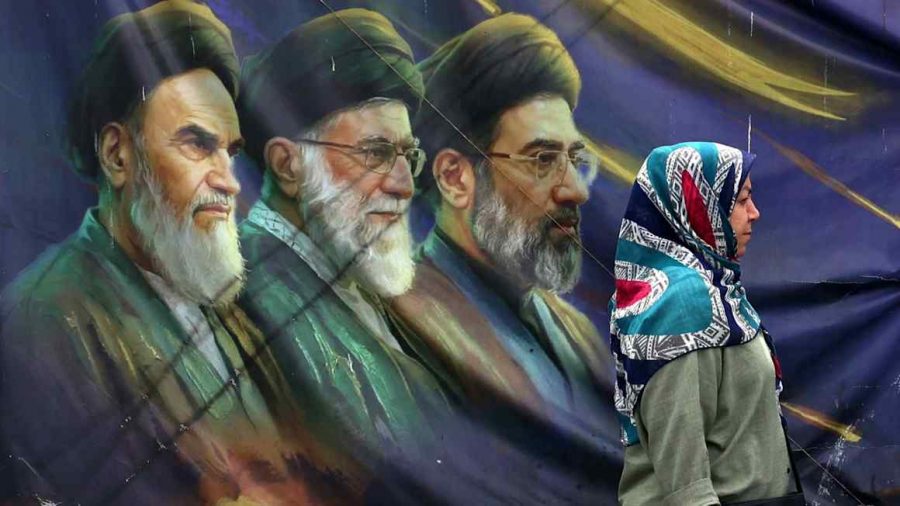
Iran’s skepticism towards the United States’ recent overtures has sparked a heated debate about the potential consequences of a deal between the two nations. At the heart of this skepticism lies a deep-seated fear that a deal today could mean more war tomorrow.
Historical Context
The relationship between Iran and the US has been tumultuous, to say the least. The two countries have been at odds for decades, with the US imposing stringent sanctions on Iran and Iran responding with aggressive rhetoric and actions. Despite this, there have been moments of diplomacy and negotiation, with the most recent being the US’s seemingly generous concessions.
Interpreting the Concessions
Tehran interprets these concessions as too good to be true. The Iranian government believes that the US is not genuinely interested in improving relations, but rather is seeking to lure Iran into a false sense of security. This mistrust is rooted in the US’s history of reneging on its promises and imposing harsh penalties on Iran.
Potential Consequences
If a deal were to be reached, Iran fears that it would be short-lived. The US could use the agreement as a means to gain a strategic advantage, only to renege on its commitments and impose even harsher sanctions. This would not only damage Iran’s economy but also undermine its national security.
Economic Implications
The economic implications of a deal gone sour would be severe. Iran’s economy is already struggling under the weight of US sanctions, and any further restrictions would have a devastating impact on the country’s infrastructure and citizens.
- The value of the Iranian rial would plummet, making it difficult for the country to import essential goods.
- The lack of access to international markets would stifle Iran’s ability to export its oil, leading to a significant decline in revenue.
- The resulting economic instability would have far-reaching consequences, including widespread poverty and unrest.
Regional Instability
A deal that ultimately leads to more war would also have significant implications for regional stability. The Middle East is already a volatile region, with numerous conflicts and tensions simmering just below the surface. A US-Iran conflict would be a catalyst for further instability, drawing in other nations and potentially leading to a wider war.
Global Implications
The global implications of a US-Iran conflict would be far-reaching. The price of oil would skyrocket, leading to economic turmoil and potentially even recession. The resulting instability would also have a significant impact on global security, as other nations and terrorist organizations seek to exploit the chaos.