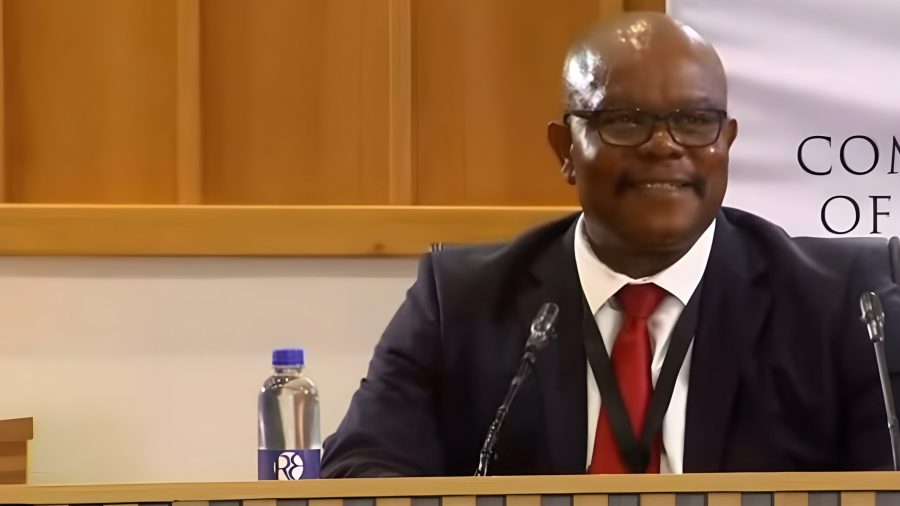
Major General Senona Scheduled to Appear Before Madlanga Commission
The Madlanga commission is poised to delve into the controversial Port Shepstone drug bust and the mysterious disappearance of significant quantities of cocaine that were seized during the operation. Major General Lesetja Senona, head of the Hawks in KwaZulu-Natal, is set to testify on June 5, following a series of events that have raised eyebrows regarding the integrity of the investigation into the narcotics theft.
Background of the Port Shepstone Drug Bust
The case in question originates from a significant drug bust in June 2021, where 541 kilograms of cocaine, valued at approximately R200 million, were confiscated in Durban. However, the situation took a troubling turn when the seized cocaine subsequently vanished from a secure walk-in safe at the Hawks’ Serious Organised Crime offices located in Port Shepstone, KwaZulu-Natal.
Allegations of an Inside Job
Initial evidence presented before the commission suggests that the theft may not have been due to a mere lapse in security, but rather an orchestrated inside job. Evidence leader Mahlape Sello noted that Senona had been subpoenaed to appear on May 18, but after discussions with his legal representatives, his testimony was postponed to early June. “In preparing for this week and the witnesses we have, we prepared a schedule. And the result of that schedule is that General Senona is anticipated to take the stand only on June 5,” Sello explained.
Key Testimonies and Security Failures
During the proceedings, it was revealed that Senona had personally endorsed the relocation of the cocaine from the Port Shepstone office. Several witnesses have implicated him in serious lapses in security at the facility, which reportedly lacked essential alarm systems and CCTV surveillance.
In a dramatic turn of events during his first appearance in January, Senona alleged that KwaZulu-Natal Police Commissioner Lieutenant General Nhlanhla Mkhwanazi had forcibly removed him from his office. Mkhwanazi countered this claim, stating that Senona had violated security protocols by entering the office with an unidentified individual after hours on a weekend. Furthermore, Mkhwanazi disclosed that security personnel had intervened as Senona attempted to exit the building with sensitive state documents and a government-issued laptop.
Witness Testimonies Add Complexity
The commission has also heard from Warrant Officer Karl Sander, who served under Senona’s command and was tasked with overseeing the weapons armory in KwaZulu-Natal. Sander recounted being labeled a suspect in the Port Shepstone matter despite not being present at the scene during the incident. “I was on leave. When I came back to work, it was all over social media that the stuff had been stolen. Our senior managers came into the office and said we were all suspects. Obviously, I didn’t agree with that and we were sent to do a polygraph,” he stated.
Sander emphasized that he had never been to the Port Shepstone office, although he had been involved in several high-profile narcotics investigations, including a February 2020 case involving 500 kilograms of methaqualone and a cocaine seizure in Durban in August 2020.
Looking Ahead: Implications for the Hawks
The upcoming testimony from Major General Senona is expected to shed light on the internal dynamics of the Hawks and the policies governing the handling of seized narcotics. As the commission continues its investigations, the implications of these proceedings could have far-reaching consequences for law enforcement practices in South Africa, particularly in the fight against organized crime.
As the date of Senona’s appearance approaches, all eyes will be on the commission as it seeks to uncover the truth behind this alarming case of stolen narcotics and the potential ramifications for those involved.