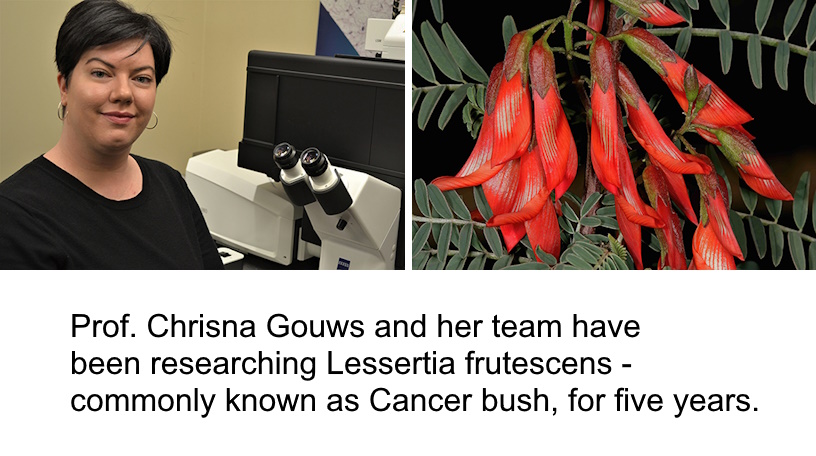
Indigenous plants have been used in traditional medicine for centuries, and now, one such plant is at the center of groundbreaking research that could change the face of cancer treatment. Researchers at the North-West University (NWU) are investigating the anti-cancer potential of Lessertia frutescens, commonly known as cancer bush, after laboratory studies showed remarkable activity against several forms of cancer, including drug-resistant small cell lung cancer and colorectal cancer.
Introduction to Lessertia Frutescens
Lessertia frutescens, a plant native to South Africa, has been used in traditional medicine for its various health benefits. The research team, led by Prof Chrisna Gouws, a research professor in the Centre of Excellence for Pharmaceutical Sciences in the Faculty of Health Sciences, has been studying the plant’s extracts and their effects on human cancer cells.
Lab Studies and Findings
The research team tested extracts from the indigenous plant on cultured human cancer cells and more advanced laboratory-grown “mini-tumours” known as spheroids. The results showed significant anti-cancer activity against several different cancer types, including those that are resistant to conventional treatment.
According to Prof Gouws, the findings became more important when the team observed activity in cancers that no longer respond to conventional treatment. “What is very interesting and exciting is the apparent activity in drug-resistant cancers such as resistant small cell lung cancer, where known chemotherapies have limited to no activity,” Prof Gouws says.
Targeting Incurable Cancers
The research team is particularly excited about the potential of Lessertia frutescens to target cancers that are currently considered incurable. The plant’s ability to combat drug-resistant cancers provides new avenues to investigate for treatment options. This is a significant breakthrough, as it could lead to the development of new treatments for patients who have exhausted all other options.
Safety Profile and Benefits
The plant’s longstanding use in traditional medicine and its safety profile are also significant advantages. An important consideration is that this plant has a long history of use and is considered non-toxic and safe for use,” Prof Gouws says. “It’s anti-cancer activity comes without the significant side-effects known to occur with most standard chemotherapies.”
In addition to its anti-cancer properties, Lessertia frutescens may also have benefits for other systems in the body. Researchers have found that the plant may support the digestive and immune systems, and it can have mood-enhancing activities as well. This means that the plant may not only target the cancer but also have a positive impact on the patient’s overall well-being.
Next Steps and Future Directions
The research team is now studying the plant’s phytochemicals to identify the molecules responsible for the anti-cancer activity and understand how they work. Although many molecules have been identified and shown to contribute to the anti-cancer activity of the plant, the mechanism of action remains mostly unclear,” says Prof Gouws.
The next phase of the study will include animal model testing later this year to confirm safety and efficacy before future clinical trials can be considered. The researchers are also developing a complementary medicine product that may be available in the near future.
Potential Applications and Benefits
The potential applications of Lessertia frutescens are vast, and the benefits could be significant. Some of the potential benefits include:
- Targeting incurable cancers: The plant’s ability to combat drug-resistant cancers provides new avenues to investigate for treatment options.
- Safety profile: The plant’s longstanding use in traditional medicine and its safety profile make it an attractive option for patients who are looking for alternative treatments.
- Support for other systems in the body: The plant may support the digestive and immune systems, and it can have mood-enhancing activities as well.
As the research continues to unfold, it is clear that Lessertia frutescens has the potential to make a significant impact on the field of cancer treatment. With its unique combination of anti-cancer properties, safety profile, and potential benefits for other systems in the body, this plant is definitely one to watch in the coming years.