Introduction
As the African Continental Free Trade Area (AfCFTA) continues to evolve, leaders in South Africa and Kenya are emphasizing the need for practical solutions to enhance regional integration and industrial growth. During a recent business forum held in Midrand, the two nations’ presidents, Cyril Ramaphosa and William Ruto, outlined their vision for a more interconnected African economy. However, the dialogue revealed persistent challenges at border posts and regulatory agencies that hinder trade.
The South Africa-Kenya Business Forum
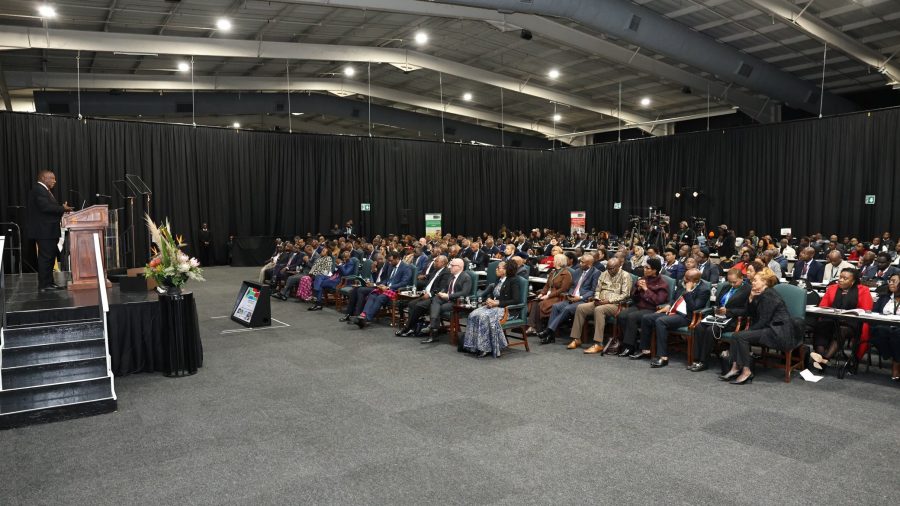
The South Africa-Kenya Business Forum, part of President Ruto’s state visit to South Africa, gathered a diverse group of participants, including government officials, financiers, and business leaders from both nations. The forum’s discussions highlighted a critical theme: while trade agreements may be advancing on paper, tangible progress at logistical points remains sluggish.
Challenges in Trade Agreements
Despite the enthusiasm surrounding the AfCFTA, business leaders voiced frustration over the disparity between formal agreements and their implementation. The consensus was clear: the next steps toward African integration must prioritize removing the practical barriers that impede cross-border trade and investment.
The Economic Landscape
Kenya and South Africa are crucial players in their respective regions, with Kenya serving as the gateway to East and Central Africa and South Africa recognized as the continent’s most industrialized economy and financial hub. Yet, the current trade volume between these two economic powerhouses is surprisingly limited. In 2025, bilateral trade amounted to approximately $680 million, a figure that falls short of the potential their economic stature suggests.
- Trade Relations: Kenya is one of South Africa’s largest trading partners outside the Southern African Development Community, with over 60 South African companies operating in various sectors in Kenya, including banking, telecommunications, and manufacturing.
- Investment Figures: President Ramaphosa noted that South African firms have initiated 96 investment projects in Kenya, totaling over $2 billion. Conversely, Kenyan companies have invested in 11 projects in South Africa, valued at approximately $283 million.
Voices from the Forum
Standard Bank Group’s chief executive, Sim Tshabalala, underscored the significant challenges facing Africa’s integration despite the establishment of the AfCFTA. Describing Kenya and South Africa as the “two bookends of Africa’s most important north-south economic spine,” he emphasized the potential of an economic corridor stretching from Mombasa to Cape Town.
African Trade Statistics
According to Tshabalala, Africa’s intra-regional trade lags significantly behind other regions, accounting for only 17% of exports. In contrast, Asia and Europe boast intra-regional trade rates of 59% and 69%, respectively. This stark difference highlights the urgent need for strategic initiatives to enhance trade among African nations.
Proposed Measures for Integration
During the forum, Tshabalala proposed two practical measures aimed at accelerating integration across Africa:
- Continent-wide customs processing system: A unified customs system could streamline trade procedures, reducing delays and enhancing efficiency at border points.
- Visa-free travel: Facilitating visa-free movement among African countries would promote business interactions and tourism, further strengthening regional ties.
Conclusion
The discussions at the South Africa-Kenya Business Forum have illuminated the path forward for African industrial growth and integration. While the potential for economic collaboration between Kenya and South Africa is immense, realizing that potential will require concerted efforts to dismantle existing barriers and foster a more conducive environment for trade and investment.