When Migration Becomes a Municipal Crisis
Migration is often a topic of national debate and continental discussion, yet the true impact of this phenomenon is felt at the municipal level. While public discourse predominantly centers around borders, visas, and national immigration policies, it is local governments that bear the brunt of the practical consequences associated with migration.
The Local Experience of Migration
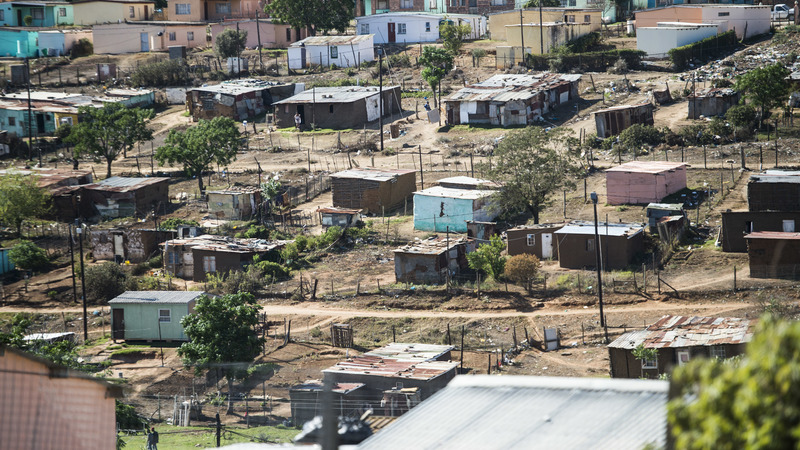
Municipalities are where the pressures of rapid population growth manifest most acutely. They are tasked with managing increased demand for services, housing shortages, infrastructure strain, and social tension that arise from a rising influx of residents. This reality is not unique to South Africa; cities around the globe are increasingly finding themselves at the forefront of migration dynamics.
In South Africa, however, local governments are already grappling with fiscal constraints, infrastructure backlogs, and service delivery problems. This has made the challenges posed by migration even more pronounced, revealing a layered complexity that many municipalities were never designed to handle. What is emerging as a significant continental development challenge is increasingly taking shape as a municipal governance crisis.
Beyond Immigration: Understanding the Real Pressure Points
According to the South African Local Government Association (Salga), the national municipal infrastructure funding backlog is estimated at around R122 billion, coupled with a local government fiscal gap of R58 billion. This context provides a backdrop against which migration pressures arise.
It is crucial to recognize that migration itself is not the crisis. Instead, the core challenge lies in the ability of municipalities to respond effectively when population growth outpaces their institutional capacity. Each new arrival—whether from another country, province, or district—requires access to essential services such as:
- Housing
- Water and sanitation
- Healthcare
- Education
- Transport
- Economic opportunity
- Public safety
Municipal planning systems are typically predicated on projected population growth and expected revenue streams. However, when population growth significantly exceeds these projections, municipalities face mounting pressure across various service delivery systems simultaneously. In this scenario, migration transitions from being merely an immigration issue to an institutional capacity challenge.
The City of Johannesburg: A Case Study
The City of Johannesburg serves as a poignant case study in understanding these dynamics. Public discourse often reduces the city’s challenges to the issue of immigration alone. However, a closer examination reveals a more complex interplay of multiple factors, including:
- Migration
- Urbanization
- Unemployment
- Housing shortages
- Informal economic activity
- Infrastructure decay
- Governance constraints
The reality is that the challenges facing the City of Johannesburg are not merely issues of migration; they are systemic challenges that require comprehensive solutions. Addressing these will necessitate a concerted effort to enhance the capacity of local governments to manage growth sustainably.
Conclusion: Rethinking Municipal Governance in the Face of Migration
As cities around the world grapple with the complexities of migration, it becomes increasingly clear that effective solutions cannot be developed in isolation. There is a pressing need for local governments to adapt their planning and governance frameworks to better accommodate the needs of a growing population. Only then can municipalities transform the pressures of migration into opportunities for growth and development.