The Untapped Potential of China’s Solar Panel Production
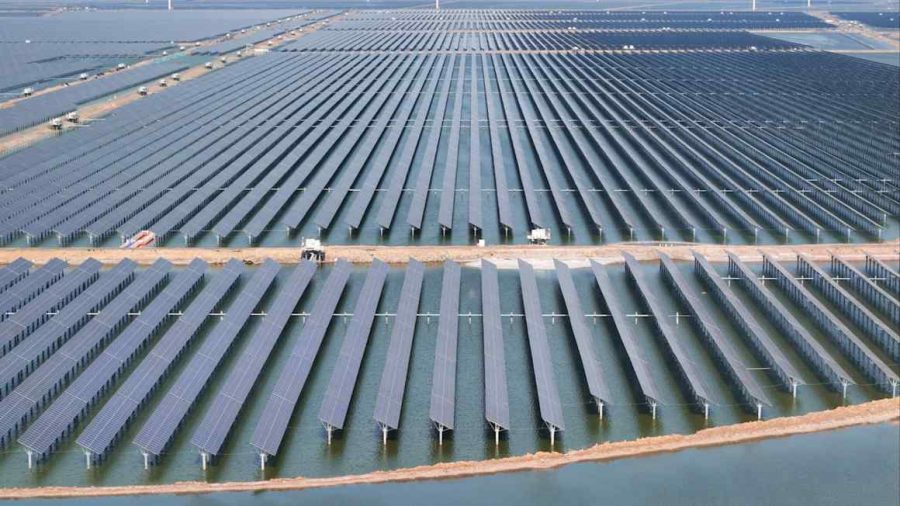
As the world grapples with the pressing need for clean energy solutions, an alarming situation is unfolding in China—one of the largest producers of solar panels. Despite the significant strides made in solar technology and production, a substantial surplus of solar panels remains unutilized, leaving factories idle and renewable energy potential untapped.
The Solar Panel Surplus Dilemma
China has established itself as a global leader in solar panel manufacturing, yet recent reports indicate that factories are producing far more panels than the market can absorb. This surplus, while indicative of a thriving industry, poses a critical dilemma: what to do with the excess inventory. With energy demands rising globally, the current situation is not only economically inefficient but also environmentally detrimental.
Economic Implications
The economic impact of idle factories cannot be overstated. In a country where unemployment rates are sensitive to fluctuations in manufacturing output, the underutilization of solar panel production facilities represents a significant waste of resources. According to industry experts, this waste translates into billions of dollars in lost economic opportunities, both for manufacturers and for the broader energy market.
The Environmental Impact
From an environmental perspective, the implications of this surplus are equally troubling. With climate change presenting an ever-urgent crisis, every unutilized solar panel represents a missed opportunity to reduce reliance on fossil fuels and lower carbon emissions. Renewable energy advocates argue that harnessing this surplus could dramatically accelerate the transition to clean energy.
Barriers to Utilization
While the potential for utilizing this surplus is evident, several barriers stand in the way. Regulatory challenges, market saturation, and logistical constraints complicate the distribution of solar panels to regions where they are most needed. Furthermore, the lack of coordinated efforts between governments and private sectors exacerbates the issue, preventing efficient deployment of solar technology in areas with high energy demands.
Global Demand for Clean Energy
As countries around the world set ambitious targets for renewable energy adoption, the demand for solar panels is expected to surge. This growing interest presents an opportunity for China to leverage its excess production capacity. International partnerships could facilitate the export of surplus panels to countries struggling to meet their energy needs, thereby fostering global collaboration in the fight against climate change.
Innovative Solutions for Surplus Utilization
To address the surplus issue, innovative solutions are necessary.
- Recycling Initiatives: Establishing programs to recycle unused solar panels could mitigate waste and create new materials for future production.
- Local Community Projects: Investing in community solar projects can provide affordable energy to underserved areas while utilizing surplus inventory.
- Export Programs: Creating incentives for exporting surplus panels to developing nations can expand markets and promote global energy equity.
The Path Forward
The current state of China’s solar panel surplus represents a crossroads for the country and the world. By addressing the barriers to utilization, fostering innovative solutions, and embracing international collaboration, China can turn this challenge into an opportunity for leadership in the global renewable energy landscape.
Conclusion
Wasting China’s solar panel surplus is not just a matter of economic inefficiency; it is a missed opportunity in the fight against climate change. As the urgency for clean power grows, the time has come for stakeholders to act decisively and utilize the vast potential that lies within idle factories. The world is watching, and the implications of inaction could be dire.