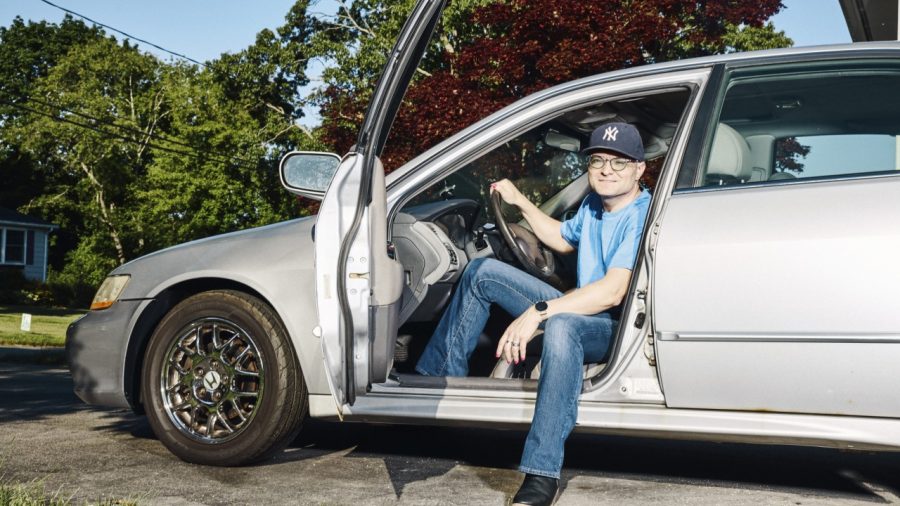
Americans Are Keeping Their Cars Longer Than Ever
In a significant shift in consumer behavior, American car owners are holding onto their vehicles longer than at any point in history. The average age of cars on the road has now reached a remarkable 13 years, prompting a transformative response from automakers, dealers, and repair shops alike.
The Changing Landscape of the Auto Industry
This trend of extended vehicle ownership is reshaping the automotive industry in profound ways. With consumers prioritizing longevity, automakers are adapting their business practices to meet the needs of a population that increasingly values durability over novelty.
The Reasons Behind the Shift
Several factors contribute to this growing trend. Firstly, economic considerations play a critical role. As prices for new vehicles soar, many Americans find it more financially viable to maintain their current cars rather than invest in new models. Additionally, the pandemic has altered priorities, with many consumers opting for stability in uncertain times.
How Automakers Are Responding
In response to this new normal, automakers are focusing on manufacturing vehicles that not only last longer but also offer enhanced reliability and lower maintenance costs. Many brands are investing heavily in research and development to create cars that can withstand the test of time. Features such as improved materials and advanced technology that aid in longevity are becoming standard.
The Role of Dealerships and Repair Shops
Dealerships and repair shops are also adjusting their strategies to cater to an audience that is now inclined to keep their vehicles for more extended periods. Service departments are seeing an uptick in demand for maintenance and repair services, leading to a shift in how these businesses operate. They are increasingly offering long-term service plans and loyalty programs to encourage repeat customers.
Consumer Attitudes Towards Maintenance
With the average vehicle age climbing, consumer attitudes towards maintenance are evolving as well. Many car owners are becoming more proactive about vehicle care, understanding that regular maintenance can prolong their car’s lifespan. Education and awareness about the importance of routine check-ups are also being prioritized by repair shops, helping owners make informed decisions about their vehicles.
The Environmental Impact
Interestingly, this trend of keeping cars longer may also have positive implications for the environment. By extending the lifespan of vehicles, fewer cars are being manufactured, which can lead to a decrease in the carbon footprint associated with the production of new vehicles. This shift could contribute to a more sustainable approach within the automotive industry.
Conclusion: A New Era in Automotive Culture
As Americans continue to embrace the concept of longevity in car ownership, the automotive industry is undergoing a substantial transformation. From manufacturers to repair shops, all stakeholders are adjusting to this new reality, creating a landscape that not only prioritizes durability but also reflects a broader change in consumer values. The evolution of the 13-year-old car is just the beginning of a new era in automotive culture.