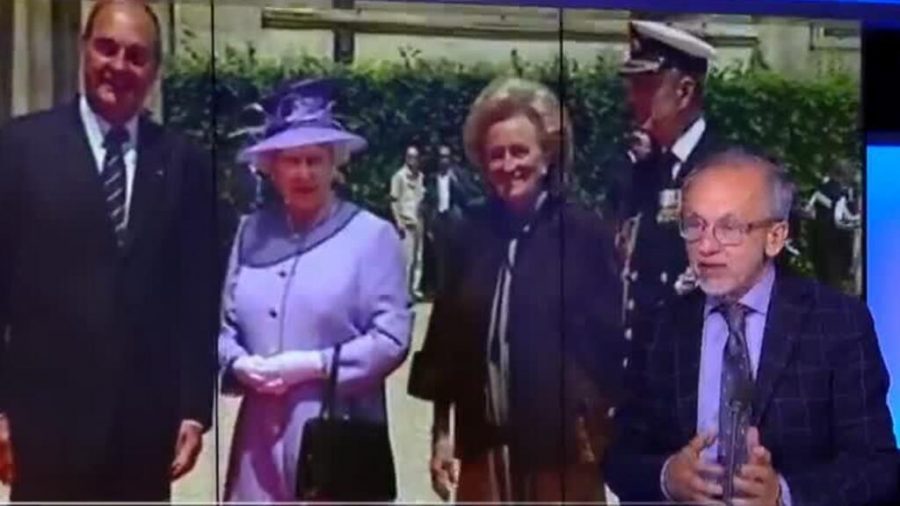
Remembering Bernadette Chirac: A Resilient Force in French Politics
Bernadette Chirac, the formidable former first lady of France, passed away at the age of 93, leaving behind a legacy marked by her strength, humor, and political acumen. Serving alongside her husband, President Jacques Chirac, from 1995 to 2007, she not only navigated the complexities of political life but also carved out significant influence in her own right.
A Life of Service and Strength
Born on December 18, 1934, in the picturesque town of Bort-les-Orgues in central France, Bernadette Chirac was raised in a family that valued education and public service. Her early years laid the foundation for a life dedicated to the people and causes she championed. After studying at the prestigious Sciences Po, she married Jacques Chirac in 1956, embarking on a partnership that would see them rise through the political landscape of France.
Years at the Élysée Palace
During her time at the Élysée Palace, Bernadette Chirac was more than just the wife of the president. She became a prominent figure in French society, known for her unwavering support of charitable causes and her dedication to health and education. Her work was particularly focused on children and the elderly, reflecting her deep compassion and commitment to improving the lives of those in need.
Weathering Personal Storms with Grace
Bernadette Chirac’s marriage to Jacques was not without its challenges, most notably his well-documented infidelities. Yet, she faced these trials with a unique blend of dry humor and stoic grace. Her ability to maintain dignity in the face of personal adversity resonated with many, earning her respect not just as a political spouse but as a resilient woman in her own right.
Political Influence Beyond the Palace
While Jacques Chirac led France through significant political changes, Bernadette was busy building her own political power base, particularly in rural France. She became an influential figure in local governance, advocating for rural development and ensuring that the voices of small communities were heard in the broader political discourse. Her efforts to engage with citizens and understand their needs set a precedent for future first ladies in France and beyond.
A Legacy of Philanthropy
Beyond her political engagement, Bernadette Chirac was a passionate philanthropist. She played a pivotal role in the establishment of the Fondation Claude Pompidou, an organization dedicated to improving the lives of the elderly and disabled. Her commitment to social issues reflected a genuine desire to make a difference, demonstrating that her influence extended far beyond the walls of the Élysée.
Conclusion: An Enduring Influence
Bernadette Chirac’s death marks the end of an era for France. Her legacy is one of resilience, humor, and unwavering commitment to the betterment of society. As France reflects on her contributions, it is clear that she will be remembered not only as the wife of a president but as a formidable force in her own right—a woman who navigated the complexities of political life while remaining deeply connected to the people she served.
In a world where the role of public figures is often scrutinized, Bernadette Chirac’s ability to maintain her dignity, pursue her passions, and fight for the causes she believed in will continue to inspire future generations of leaders.