Armenia’s Parliamentary Elections: A Historic Moment for Change
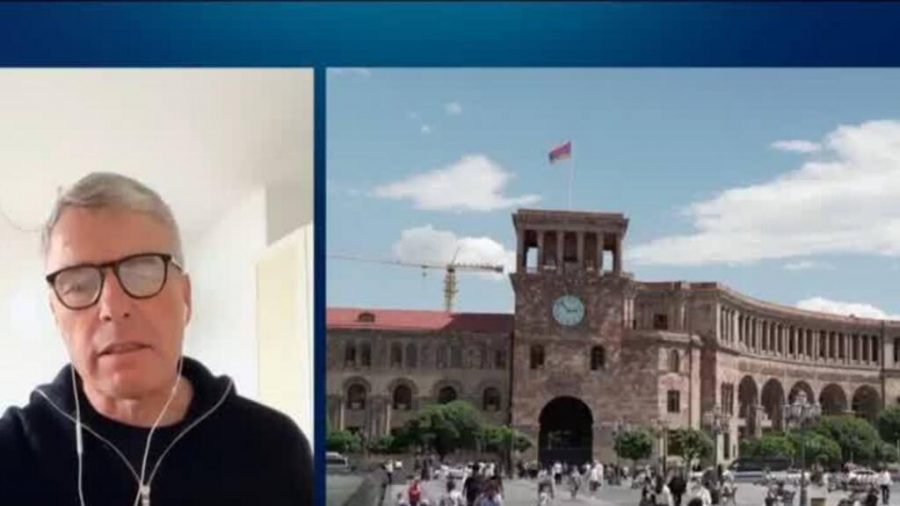
As Armenia approaches its parliamentary elections, the atmosphere is charged with anticipation and potential. Experts believe these elections could significantly alter the nation’s geopolitical landscape, particularly its relationships with both Russia and Western powers. Ulrich Schmid, a noted Professor of Eastern European Studies at the University of St Gallen, describes this period as a “historic moment” for Armenia.
The Stakes Are High
The upcoming elections are not just a routine democratic exercise; they represent a critical juncture for Armenia. Incumbent Prime Minister Nikol Pashinyan, who has been at the helm since 2018, is striving to normalize relations with Turkey and Azerbaijan—two neighboring countries with which Armenia has historically had contentious relationships. The potential for reconciliation and cooperation hangs in the balance, making the election outcomes pivotal.
Nikol Pashinyan’s Vision
Pashinyan’s administration has been characterized by a commitment to reform and a desire to pivot towards the West, especially in the wake of the 2020 Nagorno-Karabakh war. This conflict, which saw Azerbaijan regain control over territories previously held by ethnic Armenians, has left deep scars in Armenian society. With public sentiment largely in favor of change, Pashinyan’s vision for a more open, collaborative Armenia is being put to the test.
Challenges Ahead
Despite his aspirations for peace, Pashinyan faces formidable challenges. The political landscape is fraught with opposition from parties favoring stronger ties with Russia, which has traditionally been Armenia’s ally. The balance of power could shift dramatically depending on the election results, potentially undermining Pashinyan’s efforts to establish a more independent foreign policy.
The Role of External Powers
Russia’s influence in the region cannot be overlooked. The Kremlin has historically played a significant role in Armenia’s security and political framework. As Armenia seeks to cultivate closer ties with Western nations, including the European Union and the United States, the reaction from Moscow will be closely monitored. Analysts warn that a shift towards the West could lead to increased tensions with Russia, complicating Armenia’s already delicate geopolitical situation.
Public Sentiment and Electoral Dynamics
Public opinion in Armenia is diverse and often polarized. Many citizens are eager for reform and view the normalization of relations with Turkey and Azerbaijan as a pathway to stability and economic growth. Others remain skeptical, fearing that concessions could come at the expense of national sovereignty and security. This division is expected to play a significant role in how voters cast their ballots.
Looking Ahead
As Armenia stands on the brink of these pivotal elections, the world watches closely. The outcomes could redefine not only Armenia’s domestic policies but also its role on the broader international stage. With the potential for renewed conflict or unprecedented cooperation looming, the stakes have never been higher. The international community, particularly Western nations, will likely respond to the results with keen interest, eager to support a nation at the crossroads of history.
Conclusion
In summary, Armenia’s upcoming parliamentary elections signify more than just a local political event; they are a potential turning point in the country’s historical narrative. As the elections draw near, the citizens of Armenia are faced with a choice that could shape their future for generations to come, making this a moment of profound importance.