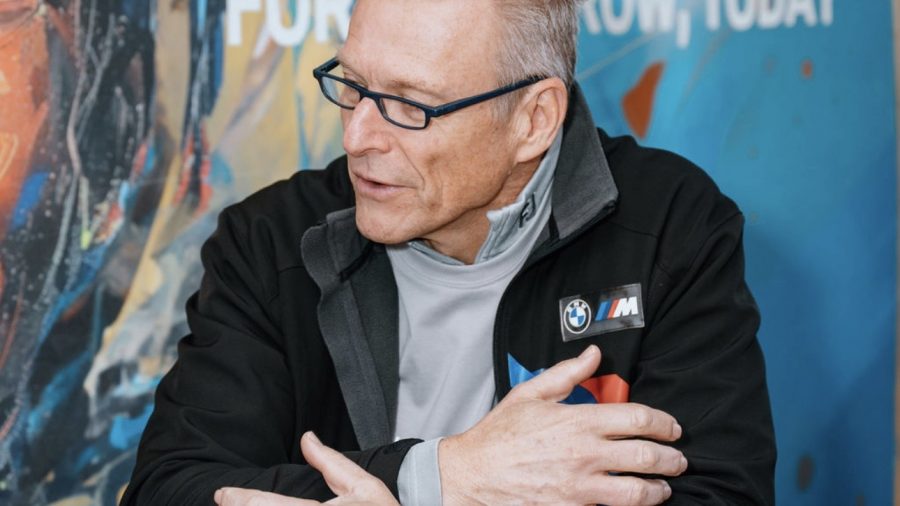
BMW CEO: South Africa Needs More Than Degrees
In a recent statement, BMW CEO Oliver Zipse emphasized the urgency of enhancing technical skills in South Africa’s workforce. He believes that while higher education is important, the nation must focus on practical skills to meet the demands of the evolving automotive industry.
The Skills Gap in South Africa
As South Africa grapples with high unemployment rates and a struggling economy, the demand for skilled labor in various sectors, particularly in technology and engineering, has become increasingly evident. Zipse pointed out that merely increasing the number of university graduates without equipping them with the necessary technical skills could exacerbate the existing skills gap.
BMW’s Commitment to South Africa
BMW has been a significant player in South Africa’s automotive industry for decades, operating a manufacturing plant in Rosslyn, Pretoria. The company has invested heavily in local production and aims to produce vehicles that meet global standards. However, to sustain this growth, Zipse argues that it is crucial for the South African education system to align its curriculum with industry needs.
Technical Skills vs. Academic Degrees
“It’s not about having more degrees; it’s about having the right skills,” Zipse stated during a conference. He highlighted that technical training, apprenticeships, and vocational education are essential components that can prepare the youth for careers in high-demand fields. By focusing on practical skills, graduates can transition more smoothly into the workforce, filling critical roles in companies like BMW and beyond.
Collaboration Between Industry and Education
To bridge the skills gap, Zipse urged for stronger collaboration between the automotive industry and educational institutions. BMW is already taking steps in this direction by partnering with local technical colleges and universities to develop specialized programs that cater to the needs of the automotive sector. These partnerships aim to provide students with hands-on experience and training that will enhance their employability.
Government’s Role in Skills Development
The South African government also plays a crucial role in fostering a conducive environment for skills development. Policymakers are encouraged to invest in vocational training and to create incentives for companies that participate in training programs. By prioritizing technical education, the government can help mitigate unemployment and stimulate economic growth.
Looking Ahead: A Skilled Workforce for the Future
As the automotive industry continues to evolve with advancements in technology, such as electric vehicles and automation, the demand for skilled technicians and engineers will only increase. BMW’s commitment to South Africa highlights the need for a skilled workforce that can adapt to these changes. Zipse’s call to action serves as a reminder that education must evolve alongside industry needs to ensure a prosperous economic future for South Africa.
Conclusion
In conclusion, BMW CEO Oliver Zipse’s statement sheds light on a critical issue facing South Africa— the need for a workforce equipped with technical skills. By prioritizing practical training and fostering partnerships between educational institutions and industry leaders, South Africa can build a skilled workforce that meets the demands of the rapidly changing automotive sector and beyond.