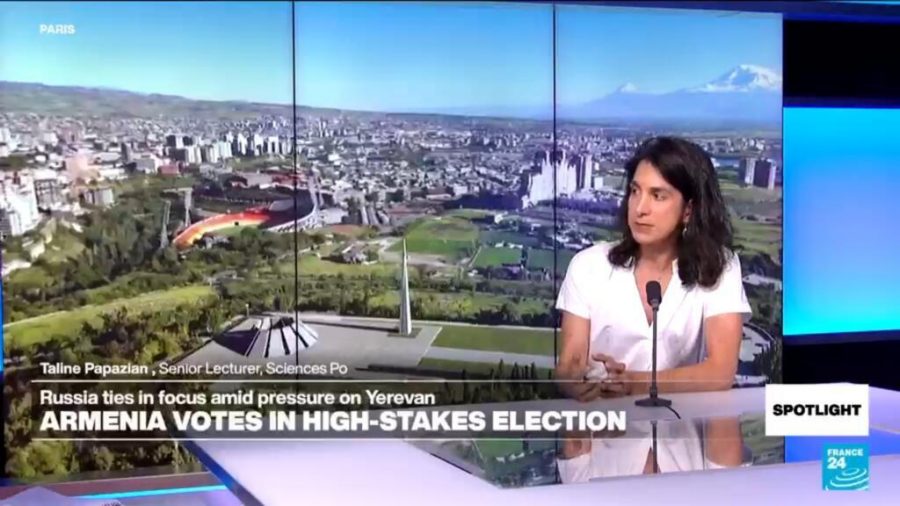
Understanding Armenia’s Complex Geopolitical Position
Armenia, a nation steeped in rich history and culture, finds itself at a crossroads of geopolitical interests, particularly influenced by Moscow and regional powers. The country’s strategic significance in the South Caucasus has drawn attention from various global actors, making its political landscape intricate and often volatile.
Historical Context and Modern Challenges
Historically, Armenia has been a focal point of contention between larger powers, including Russia, Turkey, and Iran. The dissolution of the Soviet Union in the late 20th century marked a significant shift in Armenia’s foreign policy approach. With Russia remaining a key ally, Armenia has grappled with the balance of maintaining sovereignty while being closely tied to Moscow.
Taline Papazian: A Voice of Insight
Taline Papazian, a distinguished French Armenian political scientist and strategic affairs analyst, has become an authoritative voice on the dynamics of Armenia and the South Caucasus. As the Director of the Armenia Peace Initiative Think Tank, Papazian provides critical analysis on the region’s political landscape. Her insights shed light on the complex interplay of local and international forces shaping Armenia’s future.
The Russian Factor: Meddling or Support?
Russia’s involvement in Armenia has been a subject of debate. On one hand, Moscow is seen as a protective ally, especially in light of the ongoing tensions with Azerbaijan over Nagorno-Karabakh. On the other hand, critics argue that Russia’s influence often leads to meddling in Armenia’s domestic affairs, undermining its sovereignty.
- Historical ties to Russia
- Military alliances and economic dependencies
- Impact of Russian policies on Armenian politics
The Role of Other Regional Powers
While Russia plays a significant role, Armenia’s geopolitical situation is further complicated by the interests of neighboring countries. Turkey’s support for Azerbaijan, particularly during conflicts over Nagorno-Karabakh, poses a direct threat to Armenia’s security. Simultaneously, Iran’s engagement with Armenia has been characterized by a cautious balance, aiming to counter Turkish influence in the region.
Looking Ahead: The Future of Armenia
As Armenia navigates these complex relationships, the question of its future remains paramount. The ongoing struggles for independence and self-determination in the face of external pressures continue to shape national identity and policy decisions. Papazian emphasizes the need for strategic thinking and proactive diplomacy to secure Armenia’s interests.
The Armenia Peace Initiative
Through the Armenia Peace Initiative, Papazian and her team aim to foster dialogue and understanding among conflicting parties. By promoting peace and stability in the region, they seek to empower Armenia to reclaim its narrative and strengthen its position on the international stage.
In conclusion, Armenia’s journey is one of resilience amid challenges. With strategic insights from experts like Taline Papazian, the country is poised to navigate its tumultuous geopolitical landscape while striving for a future defined by peace and sovereignty.