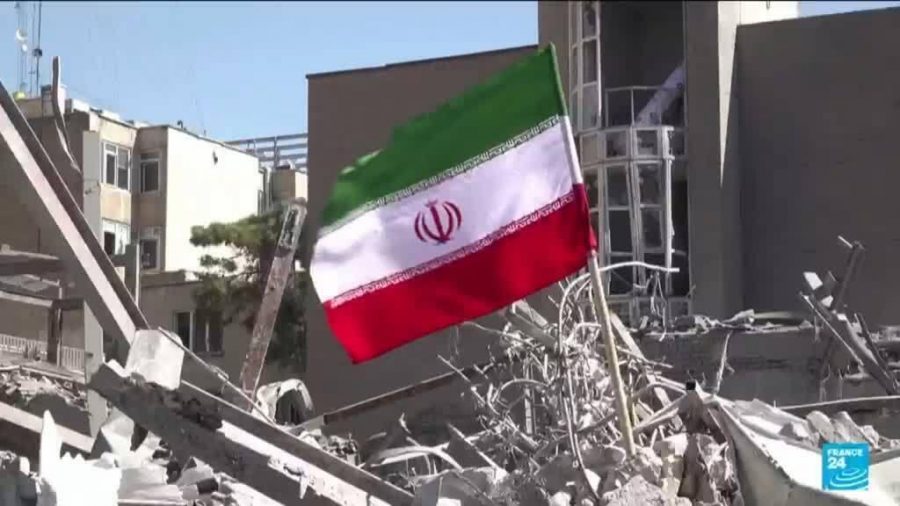
Iran Conflict: 100 Days of Stalemate and Rising Casualties
As the conflict in Iran reaches its 100-day mark, the repercussions are felt far beyond the battlefield. What began with Operation Epic Fury, initiated by US President Trump, has escalated into a prolonged struggle, marked by significant loss of life and widespread economic turmoil.
A Prolonged Conflict
When President Trump launched Operation Epic Fury against Iran, expectations were high for a swift resolution. However, the reality has proven to be starkly different. The conflict has resulted in over 7,000 deaths, with civilians bearing the brunt of the violence. The humanitarian crisis is deepening, as families are forced to flee their homes amidst ongoing clashes.
Humanitarian Crisis and Economic Disruption
The humanitarian situation in Iran has taken a dire turn, with millions displaced and essential services disrupted. The near-closure of the critical Strait of Hormuz, through which a significant portion of the world’s oil supply passes, has led to soaring oil prices and economic instability not only in Iran but globally. Countries dependent on oil imports are feeling the pinch, and the ripple effects of this conflict are being felt in economies far and wide.
Resilience of Iranian Forces
Despite initial expectations that Iranian forces would quickly succumb to military pressure, they have demonstrated unexpected resilience. Skirmishes continue even in the face of a fragile ceasefire, illustrating a protracted conflict that defies early projections. The Iranian military and various affiliated groups have regrouped and adapted, making the prospect of a swift resolution increasingly doubtful.
Nuclear Negotiations Stalled
The ongoing conflict has also stalled crucial nuclear negotiations, which had previously been seen as a potential pathway to de-escalation. As military actions intensify, diplomatic discussions have reached an impasse, raising concerns about the future of nuclear proliferation in the region. The lack of progress in negotiations adds another layer of complexity to an already volatile situation.
Political Pressure on Trump
As the conflict drags on, President Trump faces mounting public disapproval regarding his handling of the situation. The toll of the conflict, both in human lives and economic impact, has led to increasing calls for accountability. Political analysts suggest that the ongoing stalemate could have far-reaching implications for Trump’s administration, particularly as the 2024 presidential election approaches.
Looking Ahead
The future of the Iran conflict remains uncertain, with no clear path to resolution in sight. As the humanitarian crisis escalates and the economic fallout deepens, the international community watches closely. The next steps taken by the United States and its allies will be crucial in determining whether this costly stalemate can be transformed into a sustainable peace.
As the situation evolves, it is imperative for world leaders to prioritize diplomatic efforts and humanitarian assistance to alleviate the suffering of the Iranian people. The conflict’s impact is a stark reminder of the long-lasting effects of military intervention and the urgent need for comprehensive strategies to address both immediate and underlying issues.