The Evolution of Glory: Soccer Boots and Brand Battles at the 2026 FIFA World Cup
As the 2026 FIFA World Cup approaches, a unique blend of athleticism, marketing, and fan engagement is unfolding across North America. Open training sessions, part of FIFA’s Community Training Sessions initiative, are drawing in around 75,000 fans eager to connect with their favorite teams and players. These sessions not only serve as a platform for community engagement but also provide sponsors with an opportunity to showcase their products, particularly soccer boots.
Connecting Communities and Building Hype
The Community Training Sessions are designed to extend the World Cup experience beyond the stadiums, promoting a message of activity and health encapsulated in the slogan “Be Active.” Countries like Spain, Germany, South Africa, and Japan have attracted significant crowds, with Bafana Bafana’s training base in Pachuca, Mexico, becoming a hotspot for fan interaction. Attendees have had the chance to meet players, take photos, and enjoy the atmosphere, all while brands like Nike and Adidas capitalize on this engagement to boost visibility and sales.
The Boot Wars: A Clash of Giants
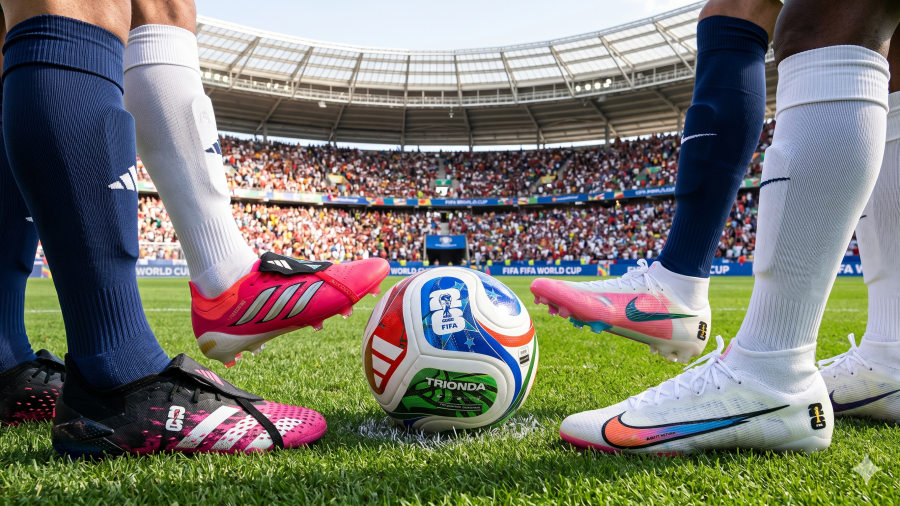
As the excitement builds on the pitch, a fierce rivalry is brewing off it—the battle of the soccer boots. Leading brands like Nike and Adidas are vying for supremacy through innovative designs and athlete endorsements, akin to the competitive landscapes of marathon running and basketball. Nike’s latest “Breakout” pack includes the Mercurial Superfly 11 and Vapor 17, featuring cutting-edge GripKnit uppers and unique collarless designs. In contrast, Adidas is reintroducing its classic Predator, F50, and Copa models, now flaunting vibrant “Solar Turbo” colors and enhanced power strike zones.
Stars and Their Signature Styles
High-profile players such as Argentina’s Lionel Messi are expected to don custom versions of these boots, while Puma’s City Edition range draws inspiration from the tournament’s host cities. The current trends in boot technology emphasize energy foams, knitted materials, and custom fits, catering to elite athletes like Kylian Mbappé and Jude Bellingham, who are looking for that competitive edge.
A Historical Perspective on Boot Technology
The evolution of soccer boots can be traced back to the mid-1990s, starting with the launch of Adidas’s Predator in 1994 and Nike’s Mercurial Vapor in 1998, worn by the legendary Ronaldo. Nike’s rise in the football sector was significantly influenced by its groundbreaking partnership with Michael Jordan in 1984, which revolutionized athlete endorsements and sneaker culture, challenging Adidas’s long-standing dominance in the market.
Iconic Moments and Personal Style
Throughout World Cup history, boots have contributed to defining iconic moments and styles. Diego Maradona, for instance, was known for his Puma boots, often sporting untied laces—an image that humanized the superstar during his legendary warm-ups. Additionally, the Golden Boot winners illustrate the evolution of soccer footwear: Davor Šuker wore traditional Adidas leather boots in 1998, while Ronaldo celebrated his 2002 victory in Nike Mercurial Vapor I boots. Miroslav Klose, the 2006 winner, preferred Adidas Copa and Predator models, and Siphiwe Tshabalala’s stunning opening goal in 2010 was struck in Nike CTR360 Maestri boots, designed for precision. Most recently, Thomas Müller clinched the Golden Boot in 2010 wearing Adidas F50 adizero.
Looking Ahead to 2026
As the 2026 FIFA World Cup draws near, both on-field drama and off-field marketing strategies promise to elevate the tournament’s profile. The competition among brands will not only showcase cutting-edge technology and style but also emphasize the emotional connections these athletes foster with their fans. The soccer boot wars are set to captivate audiences as much as the matches themselves, making for an unforgettable World Cup experience.