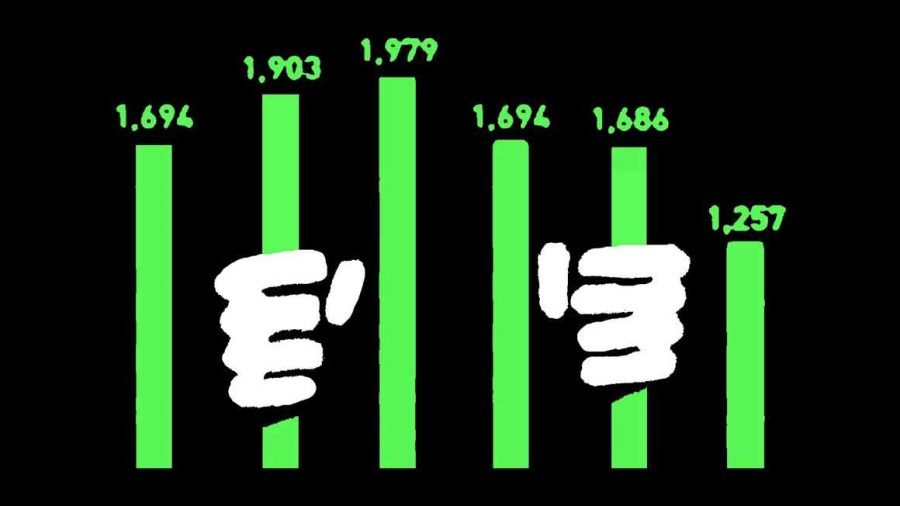
Are We Over-Optimizing Our Lives? The Hidden Costs of Tracking
In an age where technology intertwines seamlessly with our daily routines, the allure of optimization has never been stronger. Fitness trackers, sleep monitors, and productivity apps promise to enhance our lives, but they may inadvertently be leading us towards a path of anxiety and dissatisfaction.
The Promise of Optimization
At the heart of the optimization trend lies the belief that if we can measure it, we can improve it. Wearable devices have become ubiquitous, providing users with data on everything from heart rates to sleep patterns. According to a report by the International Data Corporation, the global wearables market is projected to reach $60 billion by 2025, indicating a soaring interest in personal health tracking.
Tracking Our Lives
While these devices can motivate us to stay active and maintain healthy habits, they often reduce our experiences to mere numbers. A fitness tracker might inform you that you fell short of your daily step goal, but it doesn’t acknowledge the joy of a spontaneous walk in the park or the time spent with loved ones. Similarly, a sleep app may chastise you for going to bed late, failing to recognize the excitement of a late-night gathering or the productivity of an evening spent working on a passion project.
The Pressure to Perform
This focus on optimization can create a pressure cooker environment where individuals feel compelled to constantly perform at peak levels. The constant monitoring can lead to stress and anxiety, as people become fixated on meeting numerical goals rather than enjoying the holistic experience of life. It raises a critical question: are we living for ourselves, or for the data?
Quality of Life vs. Quantity of Data
The reliance on data-driven insights can overshadow the qualitative aspects of life. Consider the following:
- Social Interactions: Engaging with friends and family may not always fit into a neatly quantified framework, but these interactions are crucial for emotional well-being.
- Personal Fulfillment: Artistic endeavors, travel, and spontaneous adventures often defy metrics but contribute significantly to happiness.
- Mindfulness: The act of being present in the moment cannot be measured, yet it is essential for mental health.
Finding Balance
As we navigate the complexities of modern life, it is essential to strike a balance between optimization and genuine living. Here are some strategies to consider:
- Set Boundaries: Limit the use of tracking devices to specific goals, and allow yourself to engage in unmeasured activities.
- Focus on Experiences: Prioritize activities that bring joy and fulfillment rather than those that simply check a box on a to-do list.
- Practice Mindfulness: Incorporate mindfulness practices such as meditation or yoga to reconnect with your body and mind beyond the numbers.
The Future of Well-Being
As we look towards the future, it is vital to recognize that the pursuit of optimization should not come at the expense of our well-being. While data can provide valuable insights, it is imperative that we do not lose sight of the rich, unmeasurable experiences that define our lives. Technology should serve as a tool for enhancement, not a master that dictates how we live.
Conclusion
In the quest for self-improvement, we must remember that life is not merely a series of data points to be optimized. It is a tapestry of experiences, emotions, and connections that cannot be quantified. By embracing the imperfections and unpredictability of life, we can cultivate a more fulfilling existence, free from the confines of constant optimization.