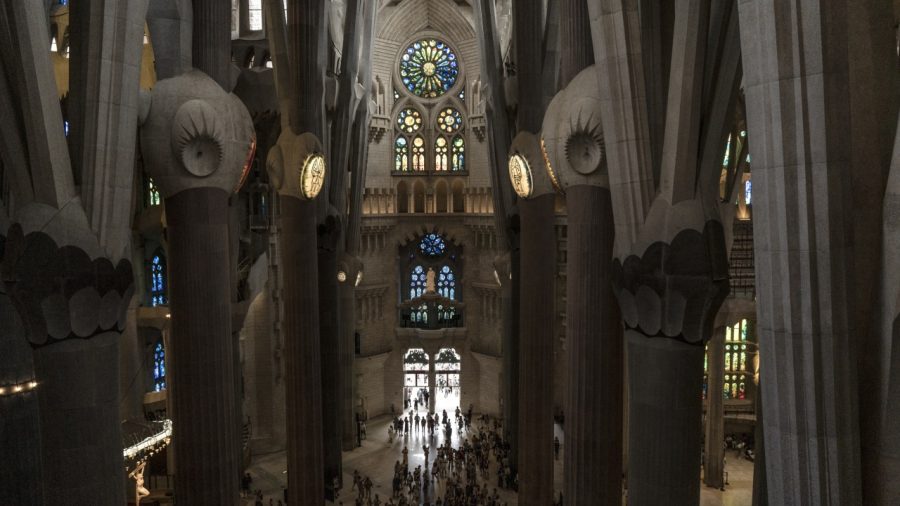
Sagrada Família: A Monumental Journey Towards Completion
Barcelona’s iconic Sagrada Família, designed by the renowned architect Antoni Gaudí, is on the brink of completion after over a century of construction. This architectural marvel, celebrated for its intricate designs and breathtaking facades, is set to welcome Pope Leo during a visit this week—a significant event that signifies both the building’s nearing completion and its growing appeal.
Historical Significance and Architectural Brilliance
Since its inception in 1882, the Sagrada Família has been a labor of love, combining Gothic and Art Nouveau styles to create a unique structure that reflects Gaudí’s visionary approach to architecture. The basilica is not only a place of worship but also a UNESCO World Heritage site, attracting millions of tourists each year. The Pope’s visit is expected to elevate its status further, drawing even more visitors to this remarkable site.
Growing Tourist Influx: A Double-Edged Sword
While the completion of the Sagrada Família is a cause for celebration, it has also ignited a backlash among some locals who feel overwhelmed by the relentless influx of tourists. With an average of 4.5 million visitors annually, the basilica has become a focal point for tourism in Barcelona, impacting the daily lives of residents. From overcrowded streets to long queues and noise, the effects of mass tourism are becoming increasingly palpable.
Local Residents Voice Their Concerns
Many locals have expressed their frustrations regarding the commercialization of their city, arguing that the charm of Barcelona is being overshadowed by the needs of tourists. “It’s like living in a theme park,” says Maria, a lifelong resident of the neighborhood surrounding the Sagrada Família. “The constant flow of tourists makes it difficult to enjoy our own city. We feel like we are in the way of their experience rather than being part of it.”
Efforts to Manage Tourism
In response to the growing concerns, city officials have begun implementing measures aimed at managing tourism more effectively. These include limiting the number of visitors allowed into the Sagrada Família at any given time and increasing the presence of local law enforcement to ensure that residents’ needs are prioritized. Additionally, some community leaders are advocating for a shift in focus from mass tourism to sustainable tourism practices that benefit both visitors and locals.
Balancing Heritage and Modernity
The Sagrada Família stands as a testament to Barcelona’s rich cultural heritage. As it nears completion, the challenge lies in balancing the preservation of this iconic structure with the realities of modern tourism. For many, the basilica is more than just a tourist attraction; it represents a connection to the city’s history and community. Finding a way to maintain this connection while accommodating the millions who wish to experience its beauty is a delicate task that city officials will need to navigate in the coming years.
Conclusion: A City at a Crossroads
In the wake of the Pope’s visit and the anticipated completion of the Sagrada Família, Barcelona finds itself at a crossroads. The architectural wonder symbolizes both the city’s rich artistic legacy and the growing challenges of tourism. As the world watches this iconic monument complete its long journey, locals hope that their voices will be heard in the conversation about the future of their beloved city.