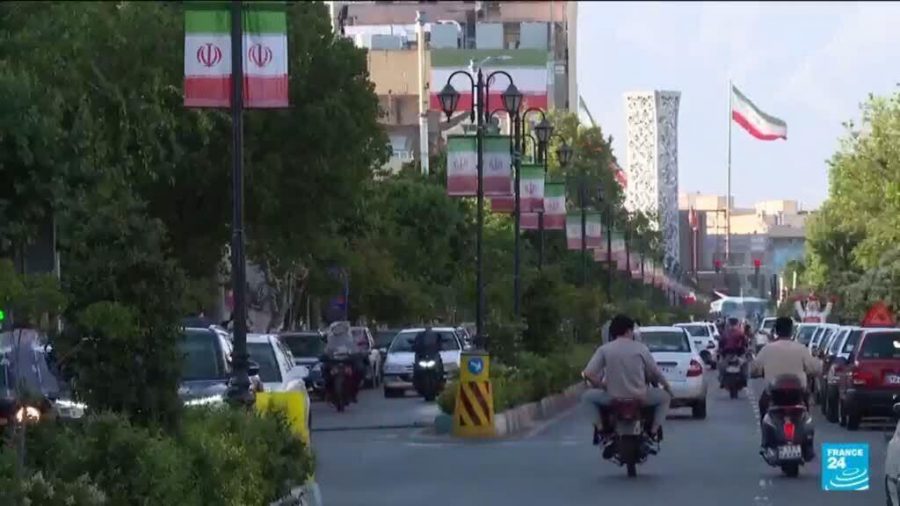
Iran’s Strategic Moves: Analyzing the Shift in Geopolitical Dynamics
In a landscape marked by escalating tensions among Iran, Israel, and the United States, the geopolitical chessboard is undergoing significant changes. Scott Lucas, a prominent Professor of American Studies and International Politics at the Clinton Institute, University College Dublin, provides insights into how recent developments have redefined the power dynamics in the region.
Trump’s Acceptance: A Pivot in Diplomatic Engagement
According to Lucas, one critical turning point occurred when former President Donald Trump accepted Iran’s 14-point proposal as a basis for negotiations. This decision, he argues, inadvertently handed Tehran the political initiative, allowing it to shape the agenda rather than merely respond to U.S. directives.
The Evolving Role of Iran and Israel
As tensions flare, both Tehran and Jerusalem are increasingly willing to operate independently of Washington’s preferences. Lucas warns that this shift underscores Trump’s diminishing ability to dictate events on the international stage. “The dynamics are changing,” he notes, emphasizing that both nations are adapting their strategies to assert their interests without relying heavily on U.S. intervention.
Tehran’s Diplomatic Strategy: A Comprehensive Bargaining Process
Tehran is not only reacting to external pressures but is also strategically seeking to reshape the diplomatic framework. Lucas highlights that Iran insists on linking various regional issues—such as developments in Lebanon, the security of the Strait of Hormuz, sanctions relief, and broader regional security—into a single comprehensive bargaining process. This approach indicates Iran’s intent to leverage its position and extract concessions from multiple fronts.
Regional Security and the Role of the U.S.
The implications of Iran’s strategy extend beyond its borders, affecting regional security dynamics and the role of the United States. By pursuing an integrated negotiation framework, Tehran seeks to elevate its status as a key player in regional politics, often placing the U.S. in a reactive position.
The Response from Israel
Israel, for its part, is not sitting idly by. As Iranian influence grows, Jerusalem is likely to adopt a more aggressive stance in its regional engagements. Lucas posits that Israel may feel compelled to act unilaterally to counter perceived threats from Iran, heightening the risk of direct confrontations.
Conclusion: A Changing Geopolitical Landscape
As the situation evolves, the traditional power balance in the Middle East is being tested. The willingness of both Iran and Israel to assert their agendas independently of U.S. influence indicates a significant shift in the geopolitical landscape. Scott Lucas’s analysis serves as a crucial reminder that the dynamics of international relations are fluid, and the outcomes of these developments could have far-reaching consequences for regional security and global diplomacy.