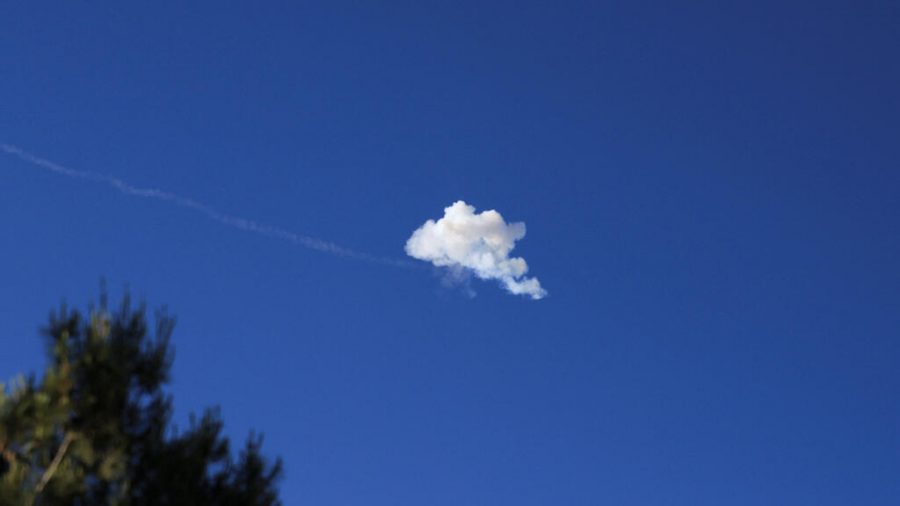
Iran Halts Military Strikes Against Israel Amid Rising Tensions
In a surprising turn of events, Iran’s military command announced on June 8 that it would cease operations against Israel, a decision that has left many analysts questioning the future dynamics in the region. This announcement comes on the heels of a series of exchanges of fire between Iranian and Israeli forces, the first since a truce was brokered on April 8.
The Context of the Ceasefire
The truce, which was initially welcomed by many as a step towards de-escalation, appears to be fragile. Since its inception, tensions have remained high, particularly with Hezbollah continuing its military strikes against Israel. These ongoing attacks from Hezbollah, an Iranian ally based in Lebanon, suggest that while Iran may have pulled back, its influence in the region remains potent.
Netanyahu’s Dilemma
Israeli Prime Minister Benjamin Netanyahu finds himself in a precarious position as he navigates the complexities of foreign relations and domestic pressures. With the United States under the leadership of President Trump, there is an expectation for a firm stance against Iran. However, Netanyahu must also contend with the voices of his ministers and the realities on the ground, which may require a more nuanced approach.
The Implications of Iran’s Decision
Iran’s decision to halt strikes against Israel could be interpreted in several ways. On one hand, it might be a strategic retreat aimed at preserving its military resources and avoiding further escalation with Israel. On the other hand, it could be a tactical pause, allowing Iran to regroup and reassess its military strategies and political alliances.
- Strained Relations: The relationship between Israel and Iran has been characterized by hostility and mutual suspicion for decades. This latest development raises questions about the longevity of the truce.
- Hezbollah’s Role: Hezbollah’s continued aggression complicates the situation, suggesting that Iran’s military influence in the region is far from diminished.
- Domestic Pressures: Netanyahu’s government faces pressures from various factions, each advocating for different approaches to dealing with Iran and its proxies.
International Reactions
The international community is closely monitoring these developments. The United States has expressed support for Israel while urging restraint from all parties involved. Analysts suggest that the U.S. administration may use this moment to push for renewed diplomatic efforts to stabilize the region.
A Fragile Peace?
The cessation of Iranian operations could signal a temporary reprieve in hostilities, but the situation remains precarious. The ongoing threats from Hezbollah and the potential for retaliatory actions from Israel mean that peace in the region is still a distant goal. As both countries navigate this complex landscape, the world watches closely, hoping for a resolution that prioritizes stability and security over conflict.
In conclusion, while Iran’s halt to military strikes against Israel may appear to be a step towards peace, the underlying tensions and the actions of allied forces like Hezbollah mean that the situation remains volatile. Netanyahu’s balancing act between domestic demands and international pressures will be crucial in the coming weeks as the region continues to grapple with its complex geopolitical landscape.