Armenia’s Recent Elections: A Pivotal Moment for the Nation’s Future
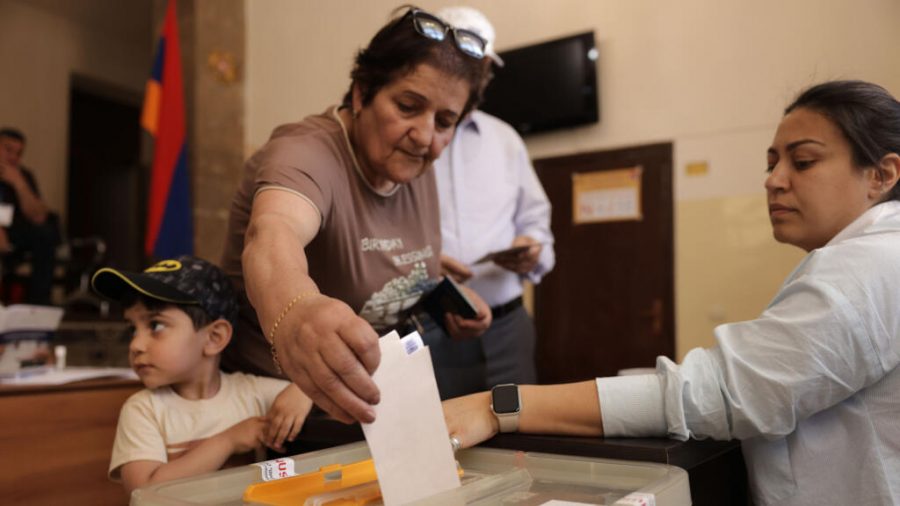
In a significant political turnaround, preliminary results from Armenia’s parliamentary elections held on June 8 indicate a resounding victory for Prime Minister Nikol Pashinyan’s party. This election has been widely interpreted as a national referendum on the country’s direction, particularly in the context of its pro-Western trajectory amidst rising tensions with Moscow.
Endorsement of a Pro-Western Agenda
The results reflect a clear endorsement from the Armenian electorate of Pashinyan’s governance and the ongoing shift towards Western alliances. Voters turned out in large numbers, signaling their desire for a future aligned with European and American values, despite the looming threats from Russia, which has historically exerted considerable influence over the region.
Challenges from Moscow
In the lead-up to the elections, there were widespread concerns about potential Russian interference aimed at destabilizing Pashinyan’s administration. Moscow has long viewed Armenia as a crucial part of its sphere of influence, and the Kremlin’s response to Armenia’s pro-Western pivot has included a mix of political pressure and military posturing. In recent months, Armenia has faced increased military provocations along its borders, raising fears of a more direct confrontation.
Public Sentiment and Voter Turnout
Despite these challenges, voter turnout in the elections was notably high, reflecting a robust public sentiment in favor of change and a definitive break from the past. Many voters cited the need for democratic reforms, economic stability, and a commitment to human rights as motivating factors behind their choices at the ballot box.
- Democracy and Reform: Voters expressed a strong desire for continued democratic reforms and improvements in governance.
- Economic Stability: Economic issues were paramount, with many citizens advocating for opportunities that align with a European economic model.
- Human Rights: The electorate showed a keen interest in human rights and democratic values, hoping to align more closely with Western nations.
The Global Implications
The implications of these elections extend beyond Armenia’s borders. As the country seeks to forge stronger ties with the West, it stands at a crossroads that could redefine its geopolitical landscape. The West, particularly the European Union and the United States, has shown increasing interest in supporting Armenia’s democratic aspirations, which could lead to enhanced diplomatic and economic partnerships.
A New Chapter for Armenia
As the dust settles from the elections, Armenia faces the critical task of consolidating its democratic gains while navigating the complexities of regional geopolitics. The victory for Pashinyan’s party is more than just a political win; it represents a collective choice by the Armenian people to pursue a future characterized by sovereignty, democracy, and integration with Western institutions. This election marks the beginning of a new chapter in Armenia’s history, one that could reshape its identity and role on the global stage.
Conclusion
In conclusion, the recent parliamentary elections in Armenia are a clear reflection of the public’s desire for a pro-Western orientation in the face of external pressures. As the country moves forward, the international community will be watching closely to see how Armenia navigates its new path and the potential challenges that lie ahead.