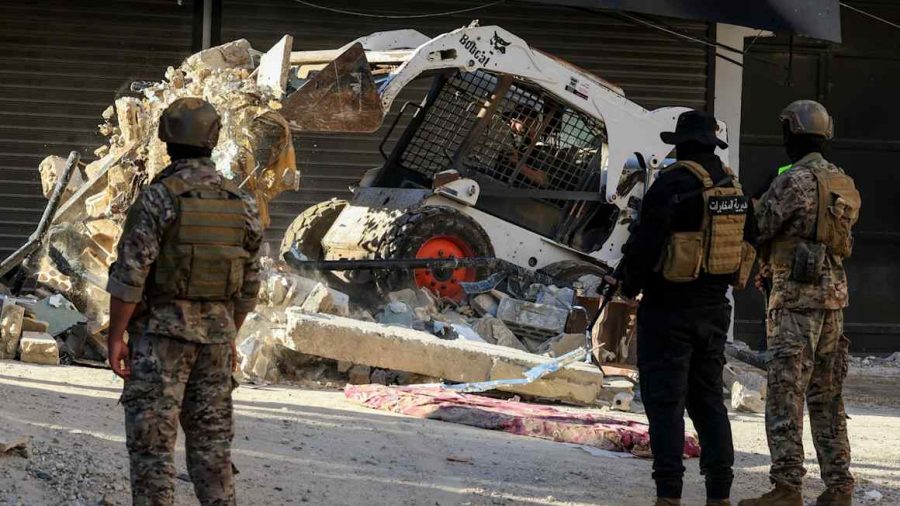
Lebanon’s Intractable Crisis Pulls Israel and Iran Towards Conflict
The ongoing crisis in Lebanon has created a precarious situation that is tugging Israel and Iran closer to the brink of war. As both nations navigate their interests in the region, the impasse surrounding Hizbollah continues to test the already fragile ceasefire between Tehran and Washington.
The Roots of the Crisis
Lebanon, long plagued by political instability and economic turmoil, finds itself at the center of a geopolitical tug-of-war involving regional powers. Hizbollah, the militant group backed by Iran, has become a significant player in Lebanon’s internal struggles, often clashing with Israeli forces along the borders.
The Role of Hizbollah
Hizbollah’s military capabilities and political influence in Lebanon have made it a focal point in the ongoing tensions between Israel and Iran. The group’s involvement in Syria and its commitment to resisting Israeli incursions have strained the delicate balance of power in the region.
- Military Engagement: Hizbollah’s frequent skirmishes with Israeli forces have heightened tensions, prompting fears of a larger conflict.
- Political Influence: The group’s influence over Lebanon’s government complicates diplomatic efforts to stabilize the country.
- Iran’s Support: Tehran’s backing of Hizbollah not only strengthens the group militarily but also serves as a direct challenge to Israel’s security.
Ceasefire Under Pressure
The fragile ceasefire between the U.S. and Iran is increasingly tested as both sides navigate the complexities of their interests in Lebanon. With Israel conducting airstrikes against Hizbollah targets and Iran providing military support, the situation remains volatile.
International Implications
The ramifications of a potential escalation in Lebanon could extend far beyond the region. A conflict involving Israel and Iran could draw in various international players, complicating an already intricate web of alliances and enmities.
The Path Forward
As Lebanon grapples with its internal crises, the international community must recognize the urgency of addressing the underlying issues that fuel these tensions. Diplomatic efforts aimed at reducing the influence of militant groups like Hizbollah, while simultaneously engaging Iran in meaningful dialogue, are essential to preventing a broader conflict.
Conclusion
The ongoing crisis in Lebanon serves as a stark reminder of the fragile nature of peace in the region. With Israel and Iran at odds over Hizbollah’s role, the potential for conflict remains high, necessitating urgent diplomatic interventions to avert a devastating war.