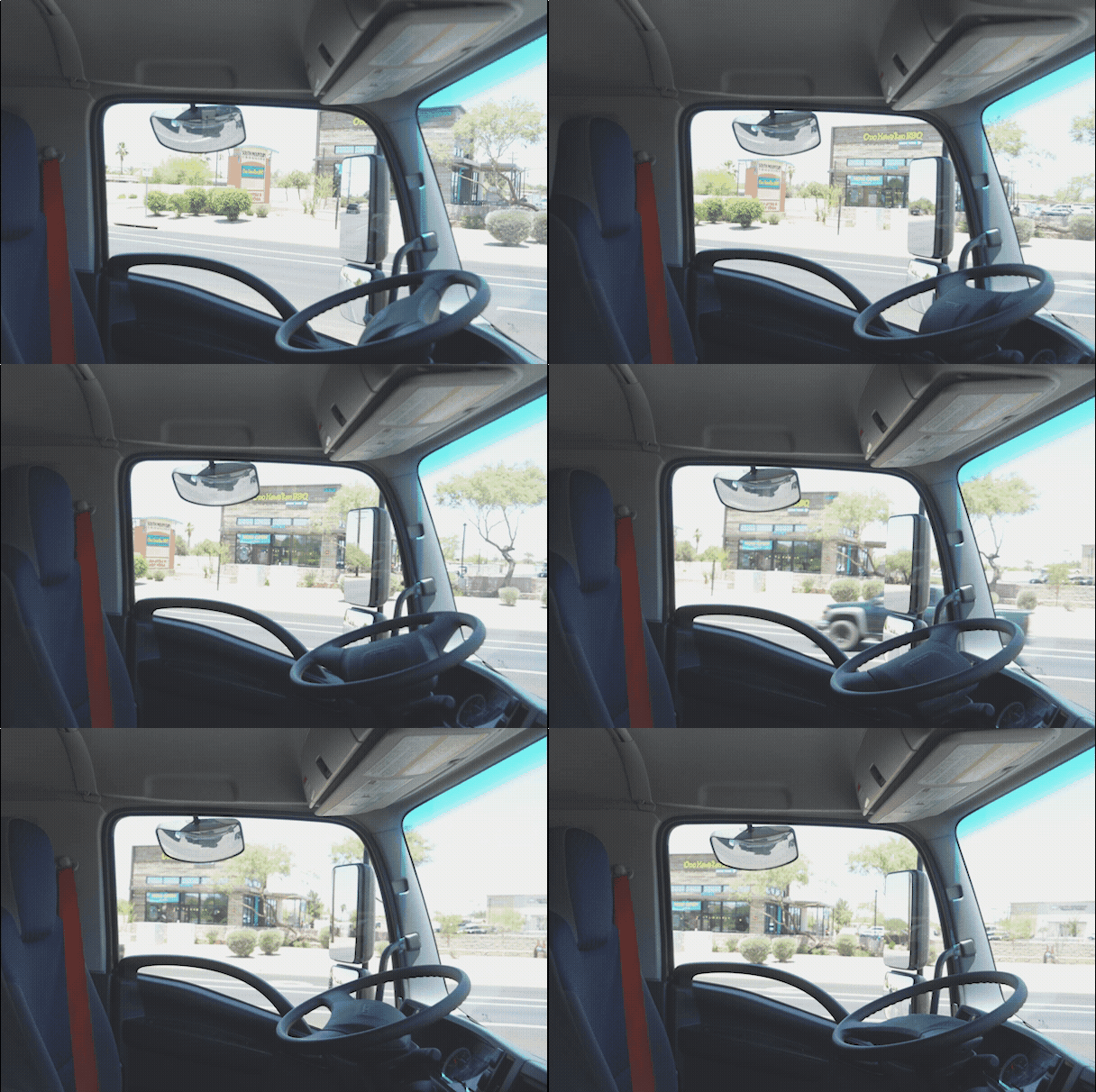
Driverless Trucks Revolutionize Delivery for PepsiCo
In a bold move toward the future of transportation, PepsiCo has launched a fleet of driverless trucks that are now operational in Arizona, Texas, and Arkansas. With a focus on efficiency and innovation, these autonomous vehicles are primarily tasked with delivering popular snack products, including bags of Doritos, directly to retailers.
The Rise of Autonomous Technology
As advancements in technology continue to reshape various industries, the logistics sector is not left behind. The introduction of driverless trucks marks a significant milestone in the evolution of supply chain management. PepsiCo’s initiative is one of the most prominent examples of how companies are harnessing automation to streamline operations and reduce costs.
PepsiCo’s Fleet of Autonomous Vehicles
Currently, PepsiCo has deployed 41 driverless trucks across the three states, making it one of the first major companies to integrate this technology into its supply chain. The trucks, equipped with state-of-the-art navigation and safety systems, are designed to operate on pre-mapped routes, ensuring efficient and timely deliveries. This initiative not only enhances operational efficiency but also aims to address the ongoing driver shortage issue faced by the logistics industry.
How It Works: The Technology Behind the Trucks
The driverless trucks utilize a combination of sensors, cameras, and artificial intelligence to navigate roads and traffic conditions independently. They are programmed to follow strict safety protocols, including the ability to stop for pedestrians and react to unexpected obstacles. This technology allows the trucks to maintain a consistent speed while adhering to traffic laws, making them a reliable option for transporting goods.
Benefits of Driverless Deliveries
- Cost Efficiency: By eliminating the need for human drivers, PepsiCo can significantly reduce labor costs associated with transportation.
- Increased Delivery Speed: Autonomous trucks can operate around the clock, leading to faster delivery times and improved service for retailers.
- Reduced Carbon Footprint: With optimized routes and consistent driving speeds, these trucks are expected to lower fuel consumption and emissions.
- Addressing Driver Shortages: The logistics industry has been grappling with a shortage of qualified drivers, and autonomous trucks can help mitigate this challenge.
Challenges Ahead
Despite the promising benefits of driverless trucks, several challenges remain. Regulatory hurdles, public perception, and the need for a robust infrastructure to support autonomous vehicles are critical issues that need to be addressed. Additionally, the transition to this technology will require significant investment and a shift in workforce dynamics.
Looking to the Future
PepsiCo’s venture into the realm of driverless deliveries is just the beginning. As technology continues to advance, we can expect more companies to explore similar options in their supply chains. The successful integration of autonomous trucks could lead to a paradigm shift in how goods are transported and delivered across the country.
Conclusion
As PepsiCo takes the lead in implementing driverless trucks for snack deliveries, the implications of this technology extend far beyond just Doritos. The potential for increased efficiency, reduced costs, and a more sustainable logistics model could pave the way for a new era in transportation and supply chain management.