Roberto Sanchez Takes the Lead in Peru’s Presidential Race
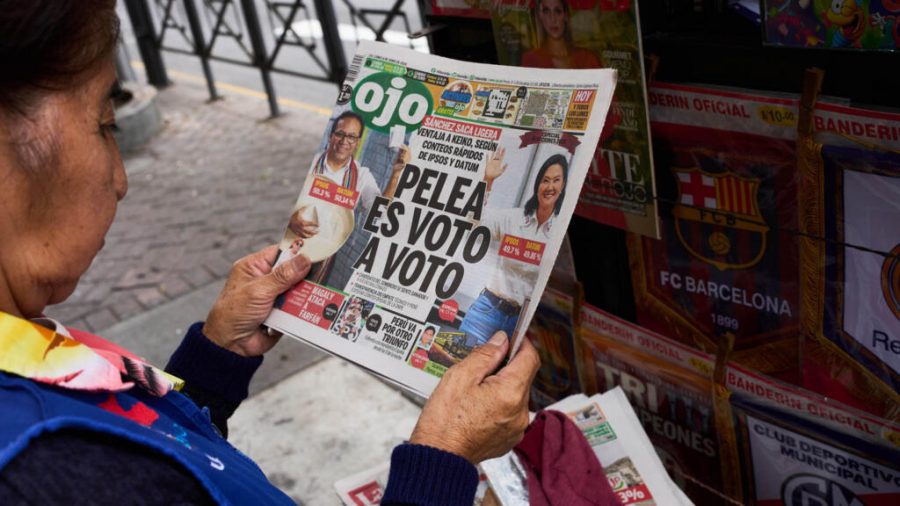
In a stunning turn of events, leftist candidate Roberto Sanchez has pulled ahead in the presidential runoff in Peru, surpassing conservative rival Keiko Fujimori by a margin that can only be described as razor-thin. With fewer than 4,300 votes separating the two candidates, the electoral landscape in Peru has become a focal point of intense scrutiny and anticipation.
The Context of the Election
This runoff election, held on Monday, has been marked by a deeply polarized electorate. Sanchez, representing a leftist platform, has gained traction among voters who are increasingly disillusioned with the status quo and are seeking significant change in governance. On the other hand, Fujimori, who has previously run for the presidency three times without success, embodies a more conservative approach, appealing to those who prioritize stability and economic growth.
The Dynamics of the Vote Count
The vote count has revealed a close contest, with Sanchez now leading Fujimori by a mere 0.1%. This narrow margin underscores the contentious nature of the election and the possibility of a protracted dispute over the final results. As ballots continue to be counted and verified, both candidates are preparing for the potential fallout of a divided electorate.
Reactions from the Candidates
In the aftermath of the vote count, reactions from both camps have been swift. Sanchez’s supporters are celebrating the lead, viewing it as a validation of their desire for change and a rejection of Fujimori’s conservative policies. Meanwhile, Fujimori’s campaign has expressed concerns about the integrity of the election process, echoing sentiments from previous campaigns where accusations of fraud and mismanagement have surfaced.
The Implications of the Result
- Political Landscape: A win for Sanchez could signify a shift in Peru’s political landscape, moving towards more progressive policies that prioritize social equity and environmental concerns.
- Economic Impact: Conversely, a Fujimori presidency might reassure investors and business leaders, fostering a climate that favors traditional economic policies.
- Social Divisions: Regardless of the outcome, the election has highlighted deep social divisions within Peruvian society, necessitating dialogue and reconciliation.
The Road Ahead
As the count continues, both candidates are bracing for the next steps. Sanchez is urging his supporters to remain calm and confident, emphasizing the importance of a transparent electoral process. Fujimori, on the other hand, is rallying her base, advocating for vigilance and preparation for any potential challenges to the results.
With such a narrow margin, the possibility of legal challenges looms large, and both camps are gearing up for what could be a tumultuous aftermath to the election. Analysts predict that the coming days will be critical in determining not just the winner of this election, but also the future direction of Peru as it grapples with significant economic and social issues.
Conclusion
This election is poised to be a watershed moment for Peru. The razor-thin margin between Sanchez and Fujimori reflects the country’s complex socio-economic fabric and the competing visions for its future. As Peruvians await the final outcomes, the world watches closely, recognizing that the results will have far-reaching implications for governance in the region.