Peru’s Political Landscape: A Deeply Divided Electorate
As Peru approaches its presidential election, the nation finds itself in the throes of political division, marked by a pervasive sentiment of uncertainty and distrust in its democratic institutions. The current election cycle shines a light on the structural weaknesses that have long plagued Peruvian governance, with neither leading candidate poised to secure a strong majority in Congress necessary for meaningful reform.
Understanding the Roots of Instability
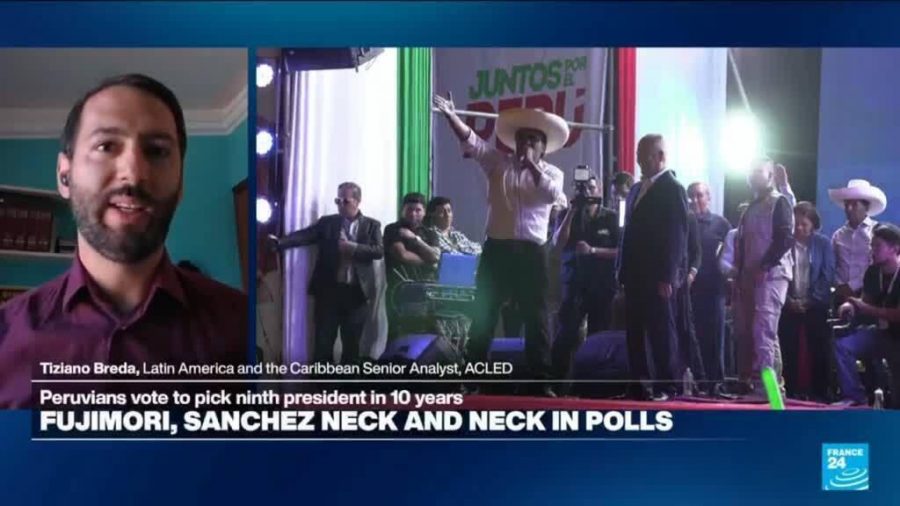
According to Tiziano Breda, Senior Analyst for Latin America and the Caribbean at ACLED, the chronic instability that Peru faces is deeply embedded in its political institutions, as much as it is in the electoral competition. “The reintroduction of a bicameral legislature could provide a framework to stabilize governance by preventing the cycle of presidents being ousted and replaced,” he explains. However, the reality is stark: neither presidential candidate is likely to command the parliamentary support required to enact decisive reforms.
A Fractured Congress and Its Implications
Peru’s Congress is characterized by fragmentation, with numerous parties vying for influence but lacking a cohesive majority. This division complicates the ability of any incoming president to implement a unified agenda. As the country grapples with pressing issues—rising crime rates, economic distress, and public dissatisfaction—the urgency for effective governance has never been greater.
- Rising Insecurity: Public safety has emerged as a paramount concern, with citizens feeling increasingly vulnerable to crime and violence.
- Economic Challenges: The economic landscape remains precarious, exacerbated by political instability and the global economic downturn.
- Public Distrust: A growing sentiment of disillusionment toward political leaders and institutions has led to widespread apathy among the electorate.
The Role of Public Sentiment
The public’s confidence in their leaders is eroding, a trend that poses significant challenges for whoever assumes the presidency. Polls indicate that many voters are disenchanted with the choices presented to them, leading to a feeling of helplessness and skepticism regarding the electoral process itself. This disaffection may be reflected in voter turnout, which is likely to be impacted by the belief that change is unattainable.
The Path Forward
Looking ahead, analysts suggest that the next administration must prioritize rebuilding trust in democratic institutions and fostering a spirit of collaboration across party lines in Congress. Incremental reforms targeting the root causes of political fragmentation and instability could help pave the way for a more unified approach to governance.
As the election date draws nearer, the stakes for Peru are high. With a political landscape riddled with challenges, the next leader must navigate a complex web of interests while addressing the urgent needs of a restless populace. The ability to forge alliances in a fractured Congress will be pivotal in determining whether the next government can rise above the historical patterns of instability that have characterized Peruvian politics.